Ashwagandha for Testosterone: Dose, Evidence and How It Actually Works
Quick Answer: Does Ashwagandha Raise Testosterone, and at What Dose?
Ashwagandha shows modest testosterone benefits in several small human trials, mostly in stressed, tired or older men. The studied dose is roughly 500 to 600 mg per day of a standardised root extract, taken for at least eight weeks. Its main lever is lowering cortisol and improving sleep, not acting as a hormone.
- Studied dose: about 500–600 mg/day of a standardised extract for 8+ weeks.
- Mechanism: lower cortisol and better sleep — not a direct hormone or steroid.
- Best paired, not solo — it complements zinc and vitamin D rather than replacing them.
If you have searched ashwagandha testosterone and come away more confused than when you started, you are in good company. The herb sits at the noisy intersection of fitness marketing and genuine research, where a real but modest effect gets stretched into promises it was never built to keep. This guide does the opposite of the hype. It walks through what ashwagandha is, the stress-and-testosterone mechanism that actually explains its results, the dose used in the human trials, the realistic timeline, and where the honest evidence stops. The goal is to leave you able to read a label and a study with the same clear eyes.
What ashwagandha actually is
Ashwagandha (Withania somnifera) is a small shrub whose root has been used in Ayurvedic traditions for centuries, and in modern supplement terms it is classed as an "adaptogen" — a loose label for plants thought to help the body cope with physical and mental stress. That word gets thrown around carelessly, but underneath it sits a plausible and increasingly studied idea: that by moderating the stress-hormone response, the plant creates conditions in which sleep, mood, recovery and, downstream, hormone balance can improve. It is not a stimulant, it is not a hormone, and it does not contain testosterone or anything that behaves like it.
The active compounds are a family of steroidal lactones called withanolides, and the standardised extracts used in research are concentrated for these markers. This is the single most important thing to understand before you compare products: raw ground root and a concentrated, standardised extract are not the same material, and the trials almost always used the latter. A capsule that lists only "ashwagandha root powder" with no strength given is telling you what went into the pot, not how potent what came out of it is.
The stress-and-testosterone mechanism, in plain terms
Here is the chain of logic that makes ashwagandha interesting for male vitality, and it is worth understanding because it also tells you who is most likely to benefit. Chronic stress keeps the hormone cortisol elevated. Cortisol and testosterone have an inverse working relationship in the body, so a system stuck in a high-cortisol, high-alert state tends to be a system in which testosterone production is suppressed and recovery is blunted. Poor sleep makes this worse, because a meaningful share of daily testosterone release happens during deep sleep. Stress wrecks sleep, poor sleep raises stress, and the loop tightens.
Ashwagandha's best-supported action is on that loop rather than on the testes directly. Trials consistently report reductions in perceived stress and in measured cortisol, alongside better sleep quality. The plausible interpretation of the modest testosterone increases seen in some studies is not that the plant manufactures hormone, but that it removes a brake. If your levels were being held down by stress and broken sleep, easing those pressures can let them drift back toward where they would otherwise sit. If they were never being suppressed that way, there is far less for the herb to do — which is exactly what the honest evidence tends to show.
What the evidence really shows
Several randomised, placebo-controlled trials have tested standardised ashwagandha extracts in men and reported outcomes ranging from lower stress and better sleep to improvements in exercise performance, and in some cases modest rises in testosterone. The pattern that matters is where those hormonal effects showed up: most often in men who were overweight, stressed, fatigued, or older — populations more likely to have suppressed levels to begin with. In young, healthy, well-rested men the hormonal signal is much weaker and often absent, even when stress and sleep scores still improve.
Two honest caveats keep this in proportion. First, the trials are small and the extracts vary between them, so the effect sizes should be read as encouraging rather than settled. Second, and this is the caveat that applies to every ingredient in this category, evidence for an ingredient is not evidence for a finished product. A multi-botanical capsule is almost never the exact thing that was trialled, even when each component has research behind it. That is the same reasoning we apply to the evidence behind tongkat ali and zinc, and it is worth carrying into every label you read.
The trial picture at a glance
| Factor | What the research broadly supports |
|---|---|
| Typical dose | ~500–600 mg/day of a standardised root extract |
| Duration studied | 8 weeks and up; hormonal readings taken at study end |
| Strongest, most consistent effects | Lower perceived stress, lower cortisol, better sleep |
| Testosterone effect | Modest, mainly in stressed, tired, overweight or older men |
| Weakest signal | Young, healthy, low-stress men with normal sleep |
Want ashwagandha at a dose you can actually read?
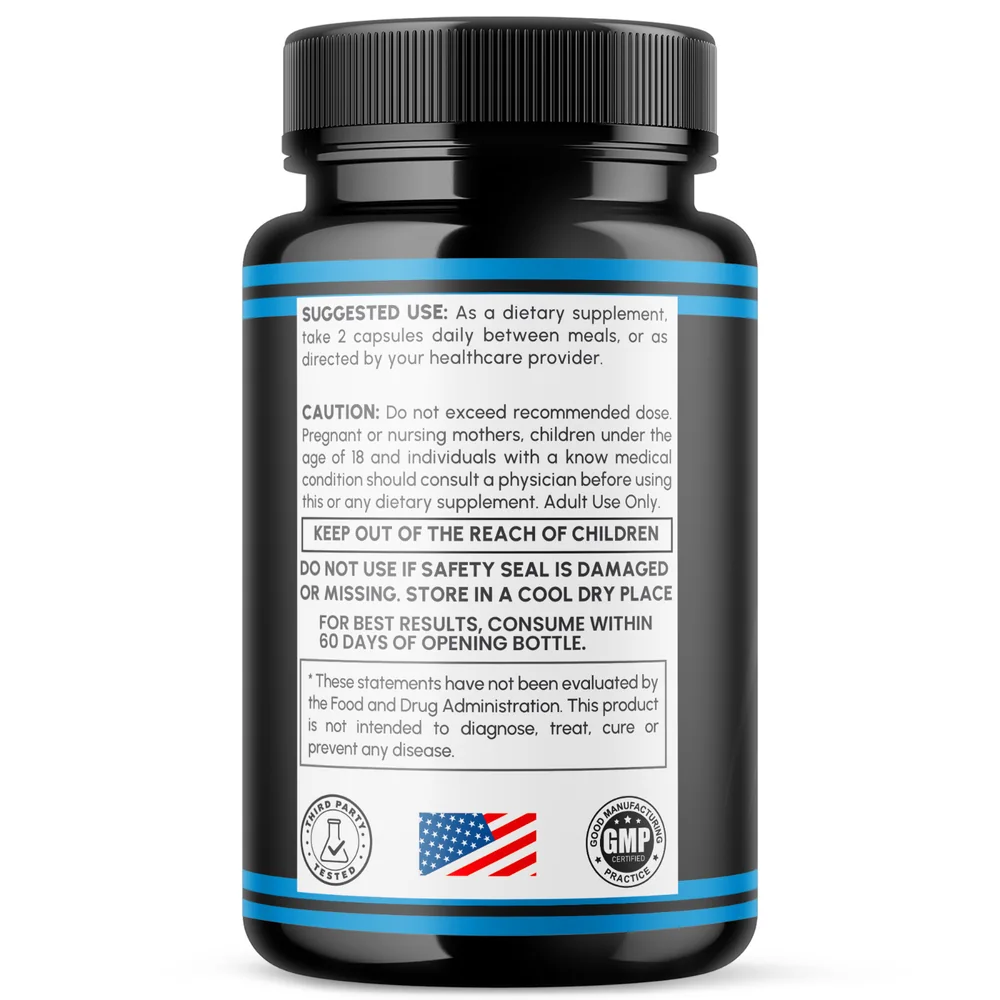
Viril Edge names ashwagandha on its panel alongside five other botanicals inside one 838 mg proprietary blend — the blend total is printed, the individual amounts are not. See the full label and current packs at the official store.
View the Official Label and PacksAd · you will be taken to the manufacturer's checkout
The correct dose: how much ashwagandha for testosterone
The dose you should care about is the dose the studies used, and that lands consistently in the range of about 500 to 600 mg per day of a standardised extract. Some protocols give it as a single daily dose, others split it into morning and evening, and both approaches appear in the literature. There is no good evidence that pushing well beyond this range does anything except raise the odds of side effects; the plant was not studied at mega-doses, so a product boasting an enormous number on the front is advertising, not science.
Standardisation is the part shoppers skip and shouldn't. A label that reads "ashwagandha root extract, standardised to withanolides" and gives a strength is describing material comparable to what was trialled. A label that reads only "ashwagandha 1,000 mg" with no extract ratio might be a large amount of weak powder, which is not the same product at all. When you compare two bottles, compare the standardised extract amount per serving, and confirm the serving size matches the capsule count you are paying for so you are not quietly reading a 30-day supply as a 60-day one.

How long until it works
Patience is part of the protocol. The trials that measured hormonal and vitality outcomes ran for eight weeks or longer, so eight to twelve weeks is the honest window before you decide whether it is doing anything for you. Crucially, the first changes people report are rarely hormonal — they are a calmer response to stress and better, deeper sleep, often within the first few weeks. Those early shifts are not a placebo consolation prize; they are the mechanism working, and they are what any downstream hormonal benefit is built on. If you are pairing it with training and better sleep hygiene, the timeline for feeling like yourself again tends to be faster than the timeline for a number moving on a blood test.
Three objections worth answering honestly
"Isn't this just a natural steroid?" No, and the distinction matters. Ashwagandha contains no androgens and does not act like an anabolic agent. Its effect on testosterone is indirect and modest, mediated through stress and sleep. Anyone selling it as a steroid substitute is either confused or hoping you are. Treat dramatic before-and-after promises as a reason for suspicion, not excitement.
"I'm not stressed, so it won't do anything for me." This is closer to the truth than most marketing admits, and it is a point in the herb's favour that it is honest about who it helps. If your sleep is genuinely good and your stress is low, the hormonal upside is smaller because there is less suppression to relieve. You may still value the sleep and calm effects, but you should set expectations accordingly rather than expecting a transformation the biology doesn't support.
"If some helps, more must be better." This is the single most expensive myth in supplements. The studied range is 500 to 600 mg of standardised extract, and there is no evidence that tripling it triples the benefit. What it reliably does is increase the chance of drowsiness and stomach upset. The same logic applies across the category, which is one reason it helps to understand The Best Male Enhancement Pills on the Market: A 2026 Formula-Type Map before you start stacking doses.
Where ashwagandha fits in a stack
Ashwagandha is at its most sensible as one instrument in a small, well-chosen ensemble rather than a soloist. It covers the stress-and-sleep base. Zinc covers a different one entirely: it is an essential mineral with a well-established role in normal testosterone metabolism, most useful when it corrects a genuine dietary shortfall. Vitamin D addresses another common gap, since deficiency is widespread and has been linked with lower testosterone in observational work. Because these three act on different mechanisms, combining them is coverage, not duplication — which is precisely why they turn up together in thoughtfully built formulas.
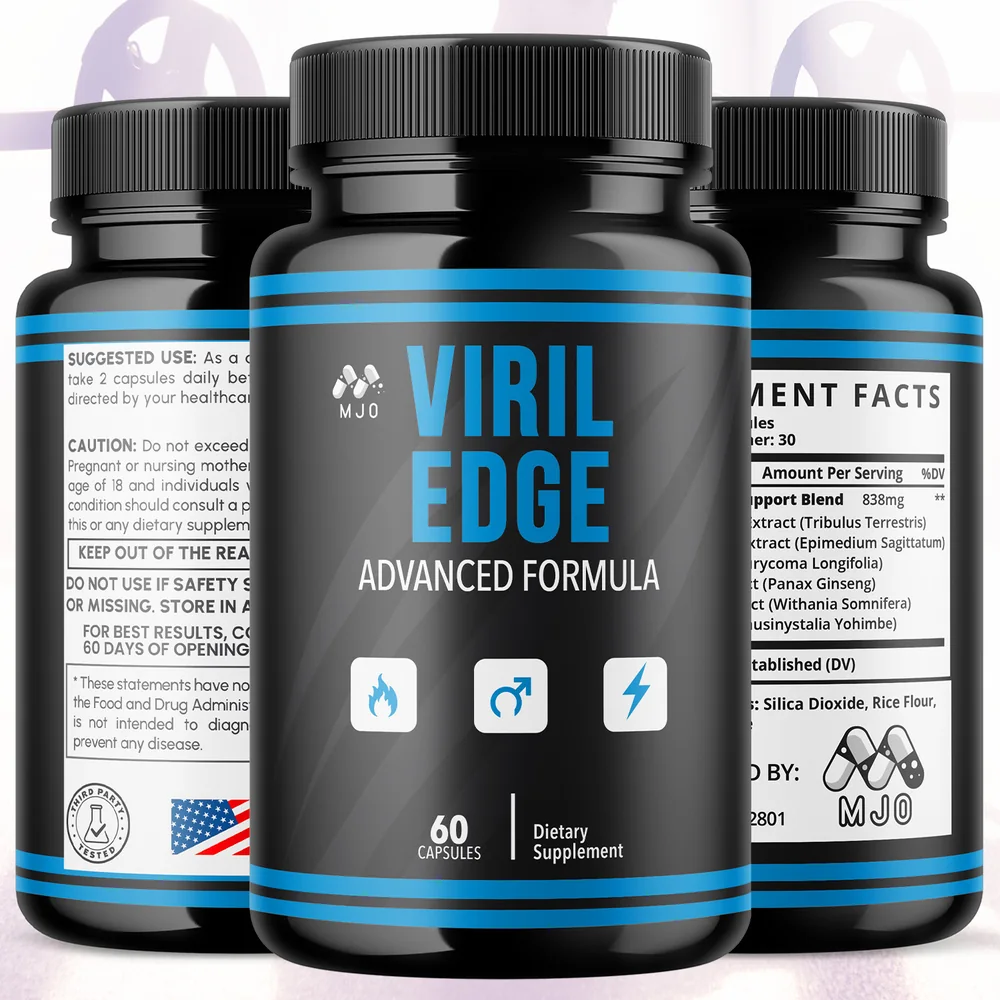
This is the logic behind combined formulas in general. Viril Edge takes that route on the botanical side — ashwagandha sits in its 838 mg blend alongside tongkat ali, panax ginseng, horny goat weed, tribulus and yohimbe — but it carries no zinc and no vitamin D, so those two bases would still need covering separately. The value of a combined formula is convenience and consistency, and consistency is the variable that quietly decides whether any of this works. Just watch for one trap when stacking: do not let the same ingredient appear across multiple products at once, especially zinc, where stacking separate sources can push you past sensible daily limits. If you are weighing a combined formula against buying single ingredients, our guide to choosing the best testosterone booster for men in 2026 covers what actually separates a serious formula from a decorative one.
Safety and side effects
For most healthy adults, standardised ashwagandha at studied doses is well tolerated, and the commonest side effects are mild: some drowsiness, occasional stomach upset or loose stools, usually eased by taking it with food. That said, it is not for everyone. It can lower blood sugar and blood pressure, so it deserves caution alongside diabetes and blood-pressure medication. It may raise thyroid hormone levels, which matters if you have a thyroid condition or take thyroid medication. It has sedative properties that can compound other sedatives. And it is generally advised against in pregnancy. None of this makes it dangerous for the average user; it makes it a real substance with real interactions, which is reason enough to run it past a healthcare professional before you start, particularly if you take any regular medication. Ashwagandha also carries a rare but documented liver-injury signal, which we cover alongside the rest of the category in our guide to testosterone booster side effects and who should avoid them.
The honest bottom line
Ashwagandha earns a modest, evidence-backed place in the male-vitality toolkit — not as a hormone, not as a steroid, but as a stress-and-sleep lever that can help the most in exactly the men whose levels are being held down by those pressures. Use the studied dose of roughly 500 to 600 mg of a standardised extract, give it eight to twelve weeks, judge it on sleep and stress first, and treat it as one part of a stack that also respects zinc, vitamin D and the unglamorous basics of training and rest. Do that, and you are using the plant the way the research actually supports.
Frequently asked questions
How much ashwagandha should I take for testosterone?
The human trials that reported testosterone or vitality benefits mostly used about 500 to 600 mg per day of a standardised root extract, usually split into one or two doses. That is the amount to match on a label. More is not better here: the studies did not test mega-doses, and higher intakes have no evidence behind them and a greater chance of side effects. Look for a stated extract standardisation rather than just the plant name.
How long until ashwagandha affects testosterone?
Give it at least eight weeks, and ideally a full twelve, before you judge it. The trials that measured hormonal or vitality changes ran for eight weeks or longer, and the earliest things people tend to notice are better sleep and a calmer stress response rather than a hormonal jump. Ashwagandha works gradually through cortisol and recovery, so a few days tells you almost nothing.
Does ashwagandha have side effects?
For most healthy adults, standardised ashwagandha is well tolerated in the doses used in trials. The commonest complaints are mild drowsiness, stomach upset or loose stools, usually settling if taken with food. It can lower blood sugar and blood pressure and may affect thyroid hormone levels, so it deserves caution if you have a thyroid condition, are pregnant, or take sedatives, diabetes or blood-pressure medication. Check with a healthcare professional first.
Can I take ashwagandha with other T-boosting ingredients?
Yes, and it is arguably where it makes most sense. Ashwagandha targets stress and sleep, while zinc supports normal testosterone metabolism and vitamin D corrects a common deficiency, so they cover different bases rather than duplicating one. A single formula that combines them at honest, individually listed amounts is more convenient than stacking separate bottles. Avoid doubling up on the same ingredient across products, and keep total zinc within sensible daily limits.
Medical note: this article is general information, not medical advice. Ashwagandha can interact with sedatives and with thyroid, diabetes and blood-pressure medication, and is not advised in pregnancy. Speak to a healthcare professional before starting it, especially if you take any regular medication or manage a health condition.
Scientific references
- NIH NCCIH — Ashwagandha: what the evidence shows
- PubMed — Lopresti et al. (2019), randomised placebo-controlled crossover trial of ashwagandha (Withania somnifera) in ageing, overweight males
- NIH ODS — Zinc: Fact Sheet for Health Professionals
- NIH ODS — Vitamin D: Fact Sheet for Health Professionals
- Mayo Clinic — Drugs and Supplements: ashwagandha interactions and cautions
Related reading
- Fenugreek benefits for male testosterone — another botanical with a stress-and-libido angle.
- Tongkat ali, zinc and male vitality: the evidence — what the trials support and where they stop.
- Best Testosterone Supplements for Men Over 40 — before you start stacking doses.
- The best testosterone booster for men in 2026 — how to tell a serious formula from a decorative one.
See how Viril Edge stacks it
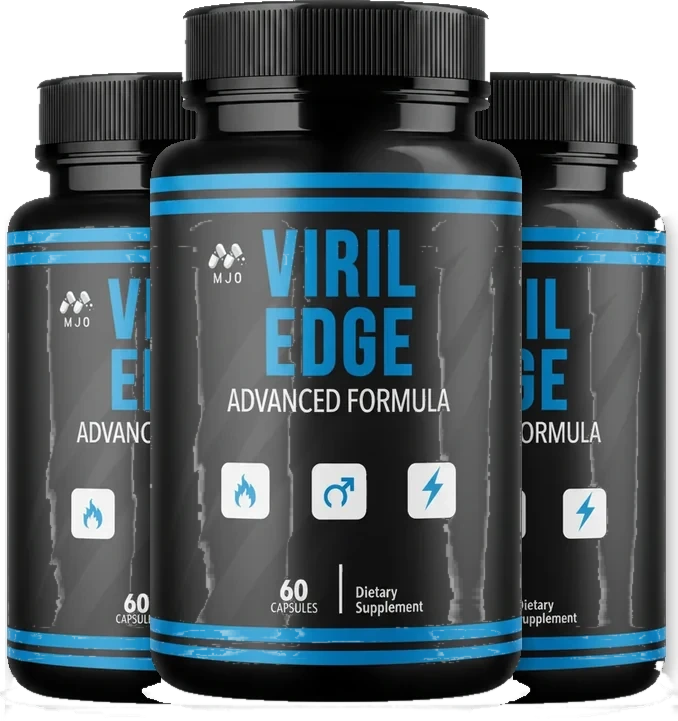
Ashwagandha for stress and sleep, longjack and panax ginseng for fatigue, and the rest of the botanicals in one two-capsule serving — all six named, inside an 838 mg blend whose individual amounts are not broken out. Our full ingredient breakdown of Viril Edge walks through each one, and the official store lists current packs and price.
Check Current Packs and PriceAd · sold online only, direct from the manufacturer