Testosterone Booster Side Effects: What the Safety Data Actually Shows
Quick Answer: Do Testosterone Boosters Have Side Effects?
Yes, and the risk depends on the ingredient list rather than the category. Most botanical testosterone boosters are well tolerated by healthy adult men, with mild digestive upset the commonest complaint. The exception is a stimulant-like ingredient such as yohimbe, which is documented to raise blood pressure and heart rate and to trigger headache, anxiety and insomnia, with severity rising as the dose rises. Ashwagandha carries a rare but real signal for liver injury. Panax ginseng and horny goat weed matter most for their drug interactions. Read the label first, and if you take blood-pressure medication, nitrates, antidepressants, blood thinners or stimulants, clear the formula with a doctor before your first capsule.
- Highest-attention ingredient: yohimbe — cardiovascular and neurological effects, dose-dependent.
- Rare but serious: ashwagandha-associated liver injury.
- Most overlooked: interactions with medication you already take.
What counts as a side effect, and what does not
A side effect is an unwanted physiological response caused by something you took. That is worth separating from the two things people routinely mistake for one: a placebo-adjacent nuisance, such as a mild headache in week one that would have happened anyway, and a symptom of the underlying problem rather than the capsule — the fatigue and low drive that were already there before you started.
The useful test is timing and reversibility. An effect that appears reliably within hours of a dose, worsens when you take more, and fades when you stop is very likely the supplement. An effect that drifts in over months and does not change when you pause for a week is probably something else, and something else may deserve a doctor. If you are trying to work out whether what you are feeling is the formula or the condition it was bought for, our guide to the signs of low testosterone in men and how to test for it properly covers what a morning blood draw can settle that guesswork cannot.
Yohimbe is the ingredient that changes the risk picture
Yohimbe is bark from the West African tree Pausinystalia yohimbe, and the active alkaloid in it, yohimbine, blocks alpha-2 adrenergic receptors. In practical terms it pushes your sympathetic nervous system toward the accelerator. That is why it turns up in male-vitality and fat-loss formulas, and it is also exactly why it produces the effects it does: raised blood pressure, a fast or irregular heartbeat, headache, sweating, tremor, anxiety, insomnia and nausea. NCCIH lists all of these, and notes that the risk of serious effects rises with the dose taken.
The clinical record backs that up. A retrospective review of yohimbine-containing product exposures reported to the California Poison Control System found most cases mild to moderate, but the effects that showed up were consistently neurological and cardiovascular, and severity tracked dose. That is a manageable profile for a healthy man taking a modest amount, and a poor one for a man with untreated high blood pressure who takes two servings because one did not feel like much.
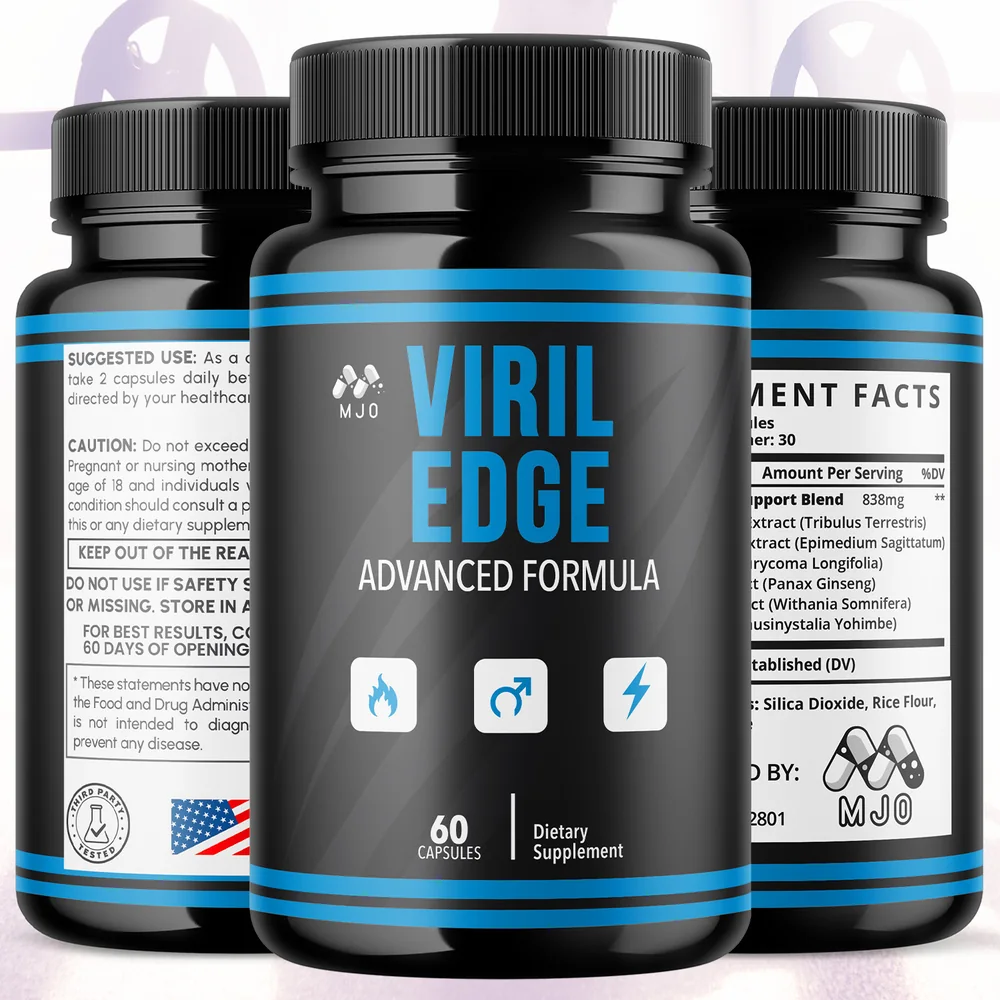
There is a second problem specific to yohimbe: content variability. Systematic analyses of testosterone and sexual-enhancement supplements have repeatedly found that what the panel says and what the capsule contains are not always the same. Viril Edge names yohimbe among its six botanicals inside one 838 mg proprietary blend and, like most blends, does not print how much of that total is yohimbe — a reason to respect the labelled serving, and one of the checks worth running in the aisle. Our walkthrough of the two-minute label checks worth running before you buy shows how to spot a blend that hides its stimulant.
Side effects by ingredient, at a glance
| Ingredient | Reported effects | Who should be most careful |
|---|---|---|
| Yohimbe (Pausinystalia yohimbe) | Raised blood pressure, fast heartbeat, headache, anxiety, insomnia, nausea | Heart conditions, hypertension, anxiety disorders, antidepressant or stimulant users |
| Ashwagandha (Withania somnifera) | Digestive upset, drowsiness; rare liver injury | Liver disease, thyroid medication, sedative users |
| Panax ginseng | Insomnia, headache, digestive upset; interaction concerns | Blood thinners, diabetes medication |
| Horny goat weed (Epimedium) | Limited human safety data; interaction concern | Blood-pressure medication and nitrate users |
| Tribulus terrestris | Digestive upset most commonly reported | Anyone expecting a testosterone effect the trials do not support |
| Longjack / tongkat ali | Insomnia and restlessness reported by some users | Anyone dosing late in the day |
The ashwagandha liver signal, stated honestly
Ashwagandha is one of the better-tolerated adaptogens and it is in a great many formulas, so the liver question deserves a careful answer rather than a dismissal or a scare. A case series assembled from Iceland and the United States Drug-Induced Liver Injury Network described patients who developed liver injury after taking ashwagandha-containing products, typically presenting with jaundice, itching and abnormal liver enzymes weeks to months after starting. NCCIH carries the same caution.
What the evidence shows: ashwagandha-associated liver injury is real, has been captured prospectively by a formal injury network, and generally resolves once the product is stopped. What the evidence does not show: how often it happens, which extracts or doses raise the risk, or whether a particular person is susceptible. Case series count cases; they cannot produce a rate. The practical response is therefore not avoidance for everyone, it is knowing the warning signs — yellowing eyes or skin, dark urine, persistent nausea, pain under the right ribs — and stopping and seeing a doctor if they appear. If you want the efficacy side of the same ingredient, we cover the doses used in the ashwagandha testosterone trials separately.
Want to read the panel before you decide?
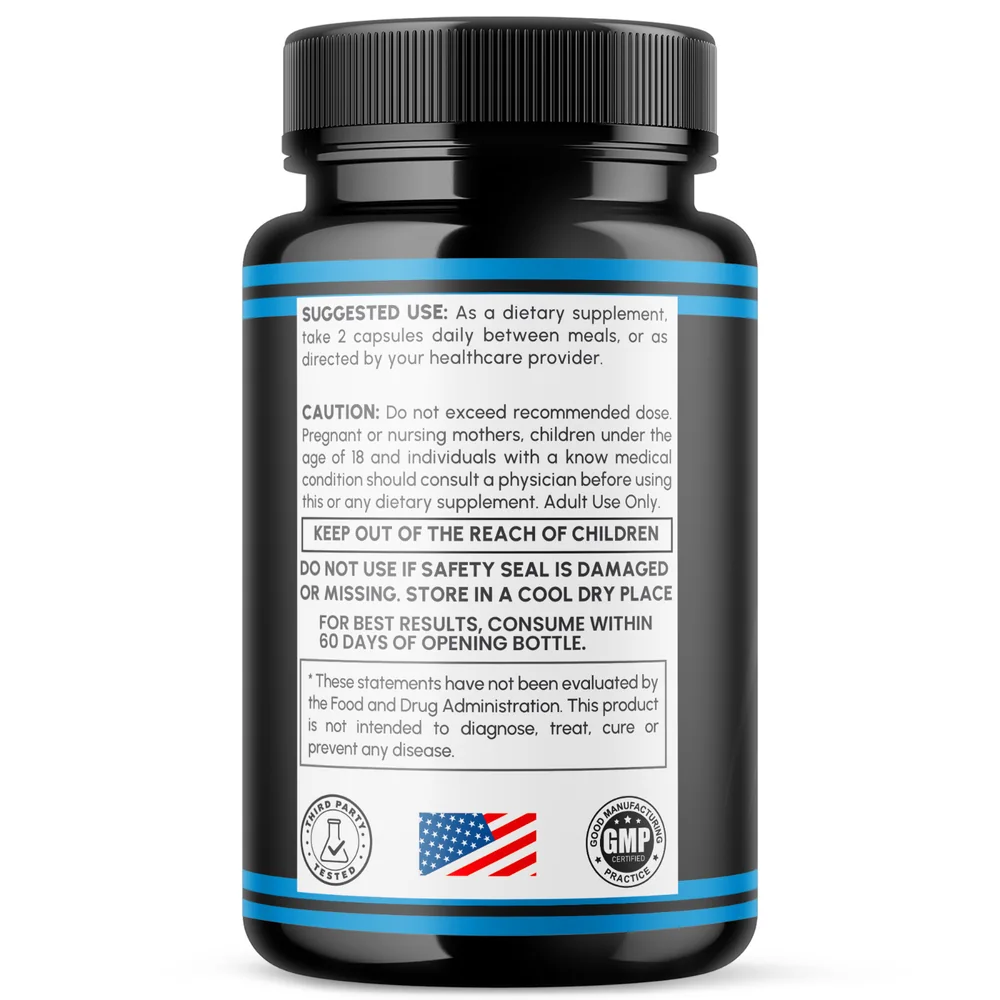
Viril Edge names all six botanicals in its blend, yohimbe included, on one panel — so you can see exactly what you would be taking, and where the label stops short of a per-ingredient amount.
View the Official Label and PacksAd · you will be taken to the manufacturer’s checkout
Drug interactions worth checking before your first capsule
Interactions cause more avoidable harm in this category than the ingredients do on their own, because they are invisible until they are not. Four groups of medication matter most.
Blood-pressure medication and nitrates. A stimulant-like botanical works against an antihypertensive, and the combination can leave your blood pressure somewhere neither you nor your prescription intended. Horny goat weed carries a specific caution alongside nitrates. Antidepressants. The adrenergic action of yohimbine can stack awkwardly with several classes, and anxiety plus blood-pressure effects are the usual result. Blood thinners. Panax ginseng has a documented interaction concern with anticoagulants. Diabetes medication. Ginseng can influence blood glucose, which matters when something else is already lowering it.
None of this means the combinations are forbidden. It means the decision belongs to whoever can see your full medication list — your doctor or pharmacist — and that the conversation takes about two minutes. Bring the bottle or a photograph of the panel, not the brand name.
Who should not take a testosterone booster at all
Some groups should simply skip the category, and being clear about that is more useful than a hedge. Do not take one if you are under 18. Do not take one if you are already prescribed testosterone, because you would be layering an unmeasured variable onto a monitored treatment. Do not take a yohimbe-containing formula if you have a diagnosed heart condition, uncontrolled high blood pressure, or an anxiety or panic disorder. Do not take an ashwagandha-containing formula if you have liver disease. And do not take any of them as a substitute for assessment if your symptoms suggest something clinical.
That last point is the one most often ignored. Persistent fatigue, collapsing libido and erectile change have medical causes worth finding — thyroid disease, sleep apnoea, depression, medication side effects, genuine hypogonadism — and a supplement cannot diagnose any of them. Our side-by-side on testosterone boosters versus TRT on real monthly cost and clinical oversight lays out what that monitoring actually buys you.

Five mistakes that turn a mild ingredient into a problem
Doubling the serving to speed things up. Nothing here works faster at twice the dose, but stimulant side effects scale with dose almost perfectly. Stacking two products that share an ingredient. A pre-workout and a vitality blend can both contain yohimbe, and neither panel will tell you the combined total. Taking it late in the day. Poor sleep lowers testosterone, which is the opposite of the point. Ignoring a new symptom because the product is “natural”. Natural describes an origin, not a safety margin. Buying from a channel that will not take it back — a point we work through in our comparison of return policies and guarantees on men’s supplements.
What to do if you get side effects
Mild and clearly linked to the capsule: stop for a week and see whether it clears. If it does, you have your answer. Moderate and persistent: stop, and speak to a pharmacist or doctor, taking the panel with you. Severe — chest pain, a heart rate that will not settle, fainting, severe headache, yellowing of the eyes or skin — treat it as urgent and seek care the same day rather than researching it. Keep the bottle either way: clinicians assessing a possible supplement reaction need the ingredient list, and “a testosterone booster from the internet” is not one.
The honest bottom line
Testosterone boosters are not a dangerous category, and they are not a harmless one either. For a healthy adult man on no relevant medication, a botanical blend taken at the labelled serving is likely to be uneventful. The risk concentrates in three places: stimulant-like ingredients such as yohimbe, where effects are documented and dose-dependent; the rare liver signal attached to ashwagandha; and interactions with medication you already take. Each is manageable by reading the panel and asking one question before you start. What no supplement here can do is replace an assessment, and any formula implying otherwise has told you something useful about itself. Our map of the five male-vitality formula families is the place to start on how they differ.
Medical note: this article is general information, not medical advice. It cannot account for your medication, your history or your risk factors. Speak to a healthcare professional before starting any supplement, and seek urgent care for chest pain, an unsettling heart rhythm, fainting or jaundice.
Frequently asked questions
Do testosterone booster supplements have side effects?
Yes, and how likely they are depends on what is inside rather than on the category. A blend built on tribulus, ashwagandha and ginseng is usually well tolerated by healthy adults, with mild digestive upset the commonest complaint. Once a stimulant-like botanical such as yohimbe is on the label the picture changes: raised blood pressure, a racing heartbeat, headache and anxiety are all documented, and poison-centre data shows severity rising with dose.
What are the side effects of yohimbe?
Yohimbe, and the yohimbine it contains, acts on the sympathetic nervous system, so its side effects look like an over-adrenalised state: raised blood pressure, rapid or irregular heartbeat, headache, sweating, anxiety, insomnia and nausea. A retrospective review of yohimbine-related calls to the California Poison Control System found most cases mild to moderate, with neurological and cardiovascular effects predominating and severity rising with dose. If you have high blood pressure, a heart condition or an anxiety disorder, or you take antidepressants or stimulants, clear this ingredient with a doctor first.
Can ashwagandha damage your liver?
It is rare, but it is documented. A case series drawn from Iceland and the US Drug-Induced Liver Injury Network described people who developed liver injury after taking ashwagandha products, typically with jaundice and itching appearing within weeks to months. NCCIH repeats the warning. Most users have no problem, but if you develop yellowing of the eyes or skin, dark urine, persistent nausea or right-upper-abdominal pain, stop and see a doctor rather than waiting it out.
Who should not take a testosterone booster?
Anyone under 18; anyone on blood-pressure medication, nitrates, antidepressants, blood thinners or stimulants who has not cleared it first; anyone with a diagnosed heart condition, uncontrolled hypertension or an anxiety disorder; anyone with liver disease; and anyone already prescribed testosterone. Men with symptoms that could be clinically low testosterone should be assessed rather than self-treating, because a supplement will not fix a medical cause and can delay finding one.
How long do side effects last after stopping?
For the stimulant-type effects of yohimbe, raised heart rate, jitteriness and sleep disruption usually settle within a day or two of the last dose. Digestive complaints from botanicals typically resolve within days. Liver-related symptoms are the exception: they can take weeks to months to normalise and need medical follow-up rather than watchful waiting. Anything cardiovascular or neurological that is severe rather than mild should be treated as urgent.
Are natural testosterone boosters safer than TRT?
Safer is the wrong frame; they carry different risks. Prescribed testosterone therapy is monitored, with blood work tracking haematocrit, PSA and hormone levels, and effects on fertility a clinician manages. A supplement is unmonitored, its contents are not verified before sale, and systematic analyses of popular boosters have found ingredient claims that outrun the evidence. Unmonitored is not the same as harmless.
Scientific references
- NIH NCCIH — Yohimbe: usefulness and safety, including cardiovascular and neurological effects
- PubMed — Kearney et al. (2010), adverse drug events associated with yohimbine-containing products in California Poison Control System cases
- PubMed — Björnsson et al. (2020), ashwagandha-induced liver injury: a case series from Iceland and the US Drug-Induced Liver Injury Network
- NIH NCCIH — Ashwagandha: what the science says, including reports of liver injury
- NIH NCCIH — Asian ginseng: safety, side effects and medication interactions
- PubMed — Kuchakulla et al. (2021), systematic review of the ingredients used in popular male testosterone and erectile-dysfunction supplements
- PubMed — Nowacka et al. (2024), the multifaceted nature of yohimbine: therapeutic potential weighed against its risks
Related reading
- Viril Edge vs Nugenix Total-T — how two formulas compare on transparency, cost and refund terms.
- Tongkat ali, zinc and male vitality: the evidence — what the trials support, and where they stop.
- Signs of low testosterone in men — when a symptom deserves a blood test rather than a capsule.
- Testosterone booster timeline — what changes in week two, and what takes twelve.
See exactly what is in Viril Edge
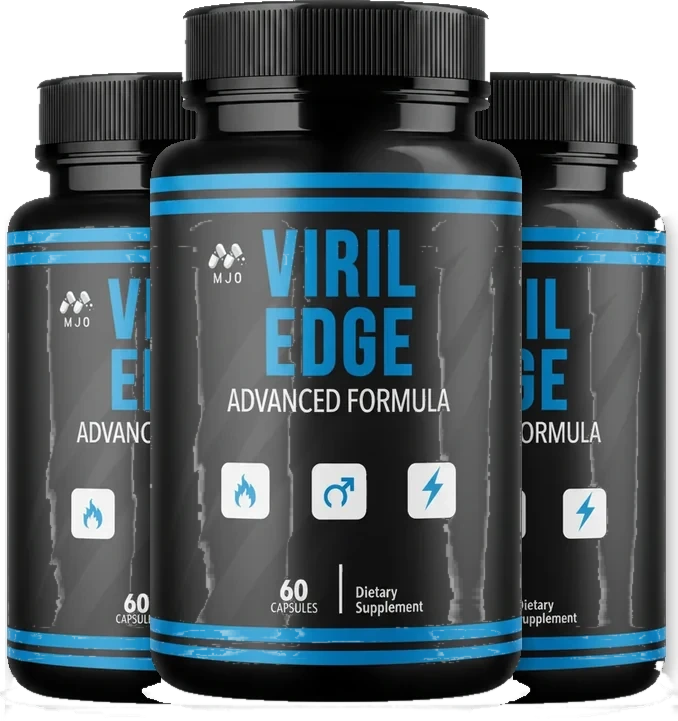
Six botanicals named on one panel, yohimbe included, in an 838 mg blend taken as two capsules a day. Our full ingredient breakdown of Viril Edge walks through each one and its evidence, and the official store lists current packs, price and the guarantee.
Check Current Packs and PriceAd · you will be taken to the manufacturer’s checkout