Signs of Low Testosterone in Men
What Are the Signs of Low Testosterone in Men?
The common signs of low testosterone in men include persistent fatigue, low libido, erectile changes, low mood or irritability, poor concentration, increased body fat and loss of body or facial hair. Symptoms alone are not a diagnosis — confirm with a morning blood test. A supplement may support symptoms but is not TRT.
- Watch the cluster — fatigue, low drive and mood dips together are more telling than any single sign.
- Test, don't guess — a morning blood draw before 11am, repeated to confirm a low result.
- Support vs treatment — natural options like Viril Edge support vitality; they do not replace diagnosis or TRT.

If you have started noticing the signs of low testosterone — the deep, stubborn fatigue that coffee no longer fixes, a libido that has quietly faded, a shorter fuse and a foggier mind — you are asking a sensible question, and it deserves a careful answer. This guide walks the symptoms men most often report, explains why they point toward a blood test rather than a self-diagnosis, and shows honestly where natural support fits and where it does not. The goal is not to alarm you or to sell you a quick fix, but to help you self-assess and take the right next step.
A word on who we are: we are an independent affiliate publisher covering male vitality, not a clinic and not the makers of a drug. Everything below is educational, not medical advice. And the single most important sentence in this article comes first, not last — if your symptoms are persistent, the right move is to get tested and talk to a clinician. A supplement is a support layer, not a substitute for a diagnosis or for testosterone-replacement therapy.
The most common signs of low testosterone
Testosterone influences far more than libido, which is why low levels tend to show up across several systems at once. The signs of low testosterone that men report most often fall into a recognisable cluster:
- Persistent fatigue — tiredness that rest does not resolve, and a drop in day-to-day drive and motivation.
- Reduced libido — a noticeable fall in sexual desire, often the symptom that first gets a man's attention.
- Erectile changes — softer or less frequent erections, which can have several causes and are worth investigating rather than ignoring.
- Low mood and irritability — flatness, low motivation, a shorter temper, and in some men mild depressive feelings.
- Poor concentration — the “brain fog” of struggling to focus or feeling mentally slower than usual.
- Increased body fat — particularly around the midsection, sometimes alongside a loss of muscle or strength.
- Loss of body or facial hair — slower growth or thinning, a slower-developing but real sign.
The key word is cluster. Any one of these can be caused by stress, poor sleep, thyroid issues, medication, depression or simple overwork. It is the combination — several appearing together and persisting for weeks — that makes low testosterone worth investigating rather than any single symptom in isolation.
Physical signs versus mental and emotional signs
It helps to split the picture in two, because men often notice one half before the other. The physical signs — fatigue, changes in erections, more belly fat, less muscle, thinning hair — are the ones most people associate with low testosterone. But the mental and emotional signs are just as real and frequently more disruptive: low mood, irritability, reduced motivation and that persistent lack of mental sharpness. Many men dismiss the second group as “just getting older” or “stress at work”, and while those explanations are sometimes correct, they are also exactly why low testosterone goes unrecognised for so long. If both halves of the picture are present together, that is a stronger signal than either alone.
At what age does testosterone start to drop?
The decline is gradual, not a cliff. On average, testosterone begins slipping from around age 30 at roughly 1% per year. Do the maths and the slow slope explains a lot: many men feel fine through their thirties and only start noticing symptoms in their forties or fifties, when the accumulated decline meets the other realities of midlife — worse sleep, more stress, less training and more body fat, all of which independently drag on male hormones. That said, age is a probability, not a verdict. Plenty of men in their sixties have healthy levels, and some men in their thirties are genuinely low. That mismatch between age and reality is precisely why the signs of low testosterone should prompt a test, not an assumption.
Supporting your energy and drive while you investigate
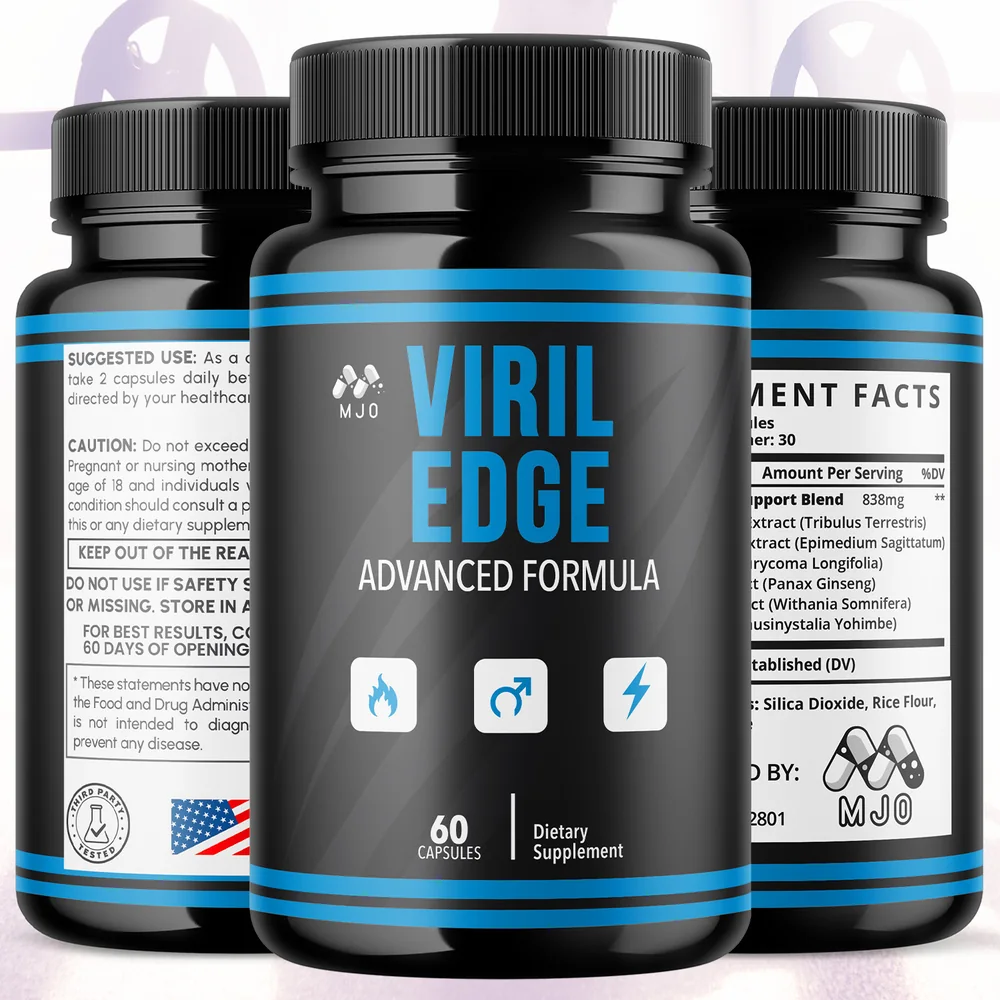
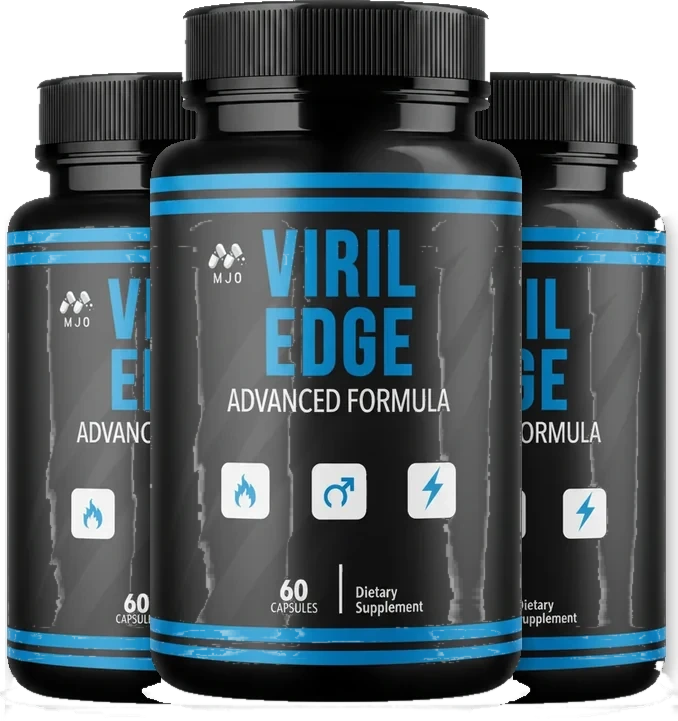
If you are working on the basics and want a transparent daily support layer alongside them, Viril Edge is built on longjack, panax ginseng, ashwagandha and three further botanicals, with every ingredient named on the label and a money-back guarantee. See the ingredients and price at the official store.
See Ingredients, Doses and PriceAd · support supplement, not a diagnosis or treatment
Why symptoms alone are not a diagnosis
Here is where honest guidance parts company with the internet. Recognising the signs of low testosterone is the start of the process, not the end of it. Modern clinical guidance is clear on this point: a 2023 British Society for Sexual Medicine position, echoing the wider consensus, requires both consistently low blood levels and matching symptoms before testosterone deficiency is diagnosed. Symptoms without the labs, or low labs without symptoms, do not meet the bar. That two-part rule exists precisely because the symptom list overlaps so heavily with stress, poor sleep, depression, thyroid problems and other conditions — treating the wrong cause helps no one.
This is also why self-diagnosis from an online checklist, however tempting, is a trap. The checklist can tell you it is worth looking into. Only a blood test, read by a clinician alongside your symptoms, can tell you whether low testosterone is actually the driver.
How to get your testosterone levels tested
Testing is simpler than most men expect, but timing and repetition matter. Testosterone follows a daily rhythm and is highest in the morning, so the blood draw should ideally be taken before 11am for a meaningful reading. Because a single result can be thrown off by illness, poor sleep or normal fluctuation, guidelines recommend confirming a low reading with a repeat test on a separate morning rather than acting on one number. A doctor can order the test, interpret total and sometimes free testosterone in the context of your symptoms, and check related markers to rule other causes in or out. The practical takeaway: book a morning appointment, expect to test twice if the first comes back low, and bring your symptom history with you.
The most useful thing the signs of low testosterone can do is send you for a morning blood test — not convince you that you already have the answer.
Where natural support fits — and where it does not
So where does a supplement belong in all this? Honestly, in a supporting role. Natural formulas may help with everyday energy, drive and stress resilience, and for men who are genuinely low in nutrients like zinc, vitamin D or magnesium, correcting those shortfalls can matter. That is the reasonable case for a well-built support supplement while you work on sleep, training and weight — and it is where our independent Viril Edge review of whether it actually works lands, with realistic expectations rather than hype.
What a supplement categorically cannot do is diagnose, treat or cure clinically low testosterone, or stand in for testosterone-replacement therapy where that is genuinely needed. Any product implying otherwise is one to walk away from. The most productive levers are the unglamorous ones, and they are free: our guide to the natural ways to support testosterone through sleep, training and diet covers the foundations that move the needle most. And if you do add a support supplement, set your expectations correctly — our breakdown of how long natural support actually takes to show up explains why weeks, not days, is the right yardstick.
When to see a doctor
Book the appointment if the signs of low testosterone are persistent rather than passing, if several are present together, or if any of them are seriously affecting your work, relationships or mood. Erectile changes in particular deserve attention, because they can occasionally flag cardiovascular or other issues that are worth catching early. And if you are already managing a health condition or taking medication — especially blood-pressure drugs, nitrates or anticoagulants — talk to a professional before adding any supplement. Seeing a doctor is not an overreaction; it is the single most useful thing you can do with a symptom list, because it turns guesswork into an answer.
Common myths about low testosterone
“It only affects older men.” No. While risk rises with age, younger men can have low testosterone too, which is why symptoms plus testing beat age-based assumptions.
“Low libido always means low testosterone.” Not necessarily. Libido is influenced by stress, relationships, sleep, medication and mood as well as hormones. It is a reason to investigate, not a diagnosis.
“A supplement will fix low testosterone.” A supplement may support symptoms and correct nutrient shortfalls, but it is not a treatment for a diagnosed deficiency. Testing and medical guidance come first.
Related reading
- How to increase testosterone naturally through sleep, training and diet
- Testosterone booster timeline: when results actually appear
- Viril Edge reviews: does it really work?
- Best testosterone booster for men in 2026: the five-check framework
Frequently asked questions
What are the early signs of low testosterone in men?
The early signs of low testosterone in men usually show up as a cluster rather than one symptom: persistent fatigue, a drop in libido, erectile changes, low mood or irritability, poorer concentration, gradual gain in body fat, and reduced body or facial hair. A single symptom can have many causes, so it is the combination that is telling. Because these signs overlap with stress, poor sleep and other conditions, they point toward testing rather than self-diagnosis.
At what age does testosterone start to drop?
Testosterone typically begins a slow decline from around age 30, falling roughly 1% per year on average. That gradual slope means many men do not notice much until their forties or fifties, when the accumulated drop, combined with worse sleep, more stress and less activity, starts to produce symptoms. Age alone does not equal deficiency, though: plenty of older men have healthy levels, and some younger men are low, which is exactly why testing matters more than age.
How do I get my testosterone levels tested?
Testosterone is measured with a blood test, and timing matters. Levels are highest in the morning, so the draw should ideally be taken before 11am, and because a single reading can be misleading, guidelines recommend confirming a low result with a repeat test on a separate morning. A doctor can order the test, interpret it alongside your symptoms, and check related markers. Do not rely on symptoms alone or on a one-off number.
Can natural supplements help with low testosterone symptoms?
Natural supplements may support everyday energy, drive and vitality, and correcting shortfalls in nutrients like zinc, vitamin D or magnesium can matter for men who are deficient. But a supplement is not testosterone-replacement therapy and cannot diagnose, treat or cure clinically low testosterone. If your symptoms persist, the right first step is a morning blood test and a conversation with a clinician, not a bottle of capsules on its own.
Medical note: this symptom guide is educational and is not medical advice or a diagnostic tool. The signs described here overlap with many other conditions. Persistent fatigue, low libido, erectile changes or mood changes should be assessed by a qualified healthcare professional with appropriate blood testing, especially before starting any supplement or if you take medication.
Scientific references
- Mayo Clinic — Male hypogonadism: symptoms and causes of low testosterone
- British Society for Sexual Medicine — 2023 guidance on testosterone deficiency (symptoms plus labs)
- NIH Office of Dietary Supplements — Zinc: Fact Sheet for Health Professionals
- NIH NIDDK — Endocrine and hormone health information
- U.S. FTC — Health Products Compliance Guidance on claims and testimonials

Support the basics while you get tested
Testing and lifestyle come first. If you also want a transparent daily support layer with a money-back guarantee, see the current Viril Edge packs, ingredients and price at the official store.
Check Packs, Price and GuaranteeAd · sold online only, direct from the manufacturer