Testosterone Booster Timeline: When It Works, Week by Week
Quick Answer: How Long Does a Testosterone Booster Take to Work?
Plan on eight to twelve weeks before judging a natural testosterone booster fairly. Energy and sleep often shift first, in the opening couple of weeks. Libido and gym performance more commonly move between weeks four and eight. A measurable, lifestyle-driven change in testosterone usually needs the full eight to twelve weeks of consistent daily use.
- Weeks 1–2: better sleep, calmer stress, steadier daytime energy.
- Weeks 4–8: libido and gym performance more commonly move.
- Weeks 8–12: the window for a real, lifestyle-driven change.

Search the phrase testosterone booster timeline and you will find two kinds of answer: breathless promises of results "in days", and vague shrugs that tell you nothing. Neither helps you decide whether to keep taking a bottle or bin it. This guide is the honest middle. It lays out a realistic week-by-week picture of when a natural testosterone booster tends to do what, so you can set expectations you will actually meet, spot the difference between "not working" and "not yet", and avoid the two mistakes that sink most people: quitting too early and expecting too much too soon.
Why a realistic testosterone booster timeline matters
Most disappointment with this category is a timing problem, not an ingredient problem. Someone starts a formula, feels no thunderbolt in the first week, decides it is useless and requests a refund on day ten — roughly seven weeks before the thing they were hoping for would even be due. Natural boosters are built from botanicals, minerals and vitamins that work by nudging systems: stress, sleep, recovery, mineral status. Those systems move on the scale of weeks, not hours. Understanding that up front is the difference between a fair trial and a wasted one, and it is why we would rather under-promise here and let the result over-deliver.
It also protects your wallet. If you know the meaningful window is eight to twelve weeks, you buy accordingly — a multi-month supply rather than a single bottle you will abandon halfway — and you stop paying for false starts. The timeline is not marketing softness; it is how you get an honest read on whether a product deserves a place in your routine.
Weeks 1–2: what actually shifts first
The earliest changes are the quiet ones, and they are quality-of-life rather than headline. Because ingredients like ashwagandha act on stress and sleep, the first fortnight is where people most often notice they are falling asleep more easily, sleeping more deeply, and feeling a touch steadier through the afternoon slump. Daytime energy tends to feel less spiky. None of this is dramatic, and that is exactly the point: a botanical formula that respects the biology does not detonate in week one.
What you should not feel yet is a surge in libido or a sudden strength jump. If a product delivers that in days, be suspicious rather than delighted — botanicals do not act that fast, and a fast, drug-like effect is a reason to ask what is really in the capsule. Treat weeks one and two as laying foundation. The sleep and stress gains here are not a consolation prize; they are the mechanism that everything later is built on, since a meaningful share of your daily testosterone is released during deep sleep.
Weeks 3–4: momentum and the drop-off trap
By the third and fourth week the early sleep and energy gains usually feel more settled and less like a novelty. This is also, paradoxically, the most dangerous stretch for giving up. The initial "ooh, something's different" feeling has normalised, the bigger benefits have not fully arrived, and it is easy to conclude the plateau is the ceiling. It usually is not. This is the point to hold the line on consistency and keep the dose daily, because the four-to-eight-week window is where the more sought-after changes tend to begin, and quitting now means never reaching them.
Weeks 4–8: libido and gym performance
This is the window most people are actually waiting for. Between weeks four and eight is where reports of improved libido, better workout performance, quicker recovery between sessions and a general lift in drive most commonly cluster. The mechanism is cumulative: several weeks of better sleep and lower stress, combined with adequate zinc and other cofactors, create conditions in which drive and performance can improve. It is a compounding effect, which is precisely why it does not show up on day three.
Expect variation. Men who started with genuinely suppressed levels — because of stress, poor sleep, a mineral gap or age — tend to notice more, because there was more room to move. Men who were already well-rested, well-fed and unstressed may notice less, because there was less being held back. That is not the product failing; it is the product having less to correct, and it is worth being honest with yourself about which camp you are in before you judge the result.
Weeks 8–12: the lifestyle-driven change
The eight-to-twelve-week mark is where a genuine, measurable, lifestyle-driven change in testosterone is realistically on the table — and the word "lifestyle-driven" is doing real work in that sentence. A supplement is a support, not an engine. The men who see the most at this stage are almost always the ones who paired it with the unglamorous basics: consistent sleep, resistance training, sensible nutrition and less chronic stress. If you want to understand those levers in their own right, our guide to how to increase testosterone naturally through diet, sleep and training covers the foundation a supplement is meant to sit on top of.
If you are the type who tracks numbers, this is also the earliest sensible point to consider re-testing, and only if you had a baseline to compare against. A single reading in isolation tells you little; two readings twelve weeks apart, taken at the same time of morning, tell you something. Just remember that a formula supports normal testosterone metabolism — it is not a treatment for a diagnosed medical condition, and a blood test that comes back genuinely low is a conversation to have with a clinician, not a cue to double the capsules.
The timeline at a glance
| Window | What tends to shift | What not to expect yet |
|---|---|---|
| Weeks 1–2 | Better sleep, calmer stress, steadier energy | Libido or strength surges |
| Weeks 3–4 | Early gains settle in; consistency is everything | A dramatic plateau-break |
| Weeks 4–8 | Libido, drive, gym performance, recovery | A "finished" result |
| Weeks 8–12 | Measurable, lifestyle-driven change is realistic | A medical fix for clinically low T |
Give the timeline a fair run
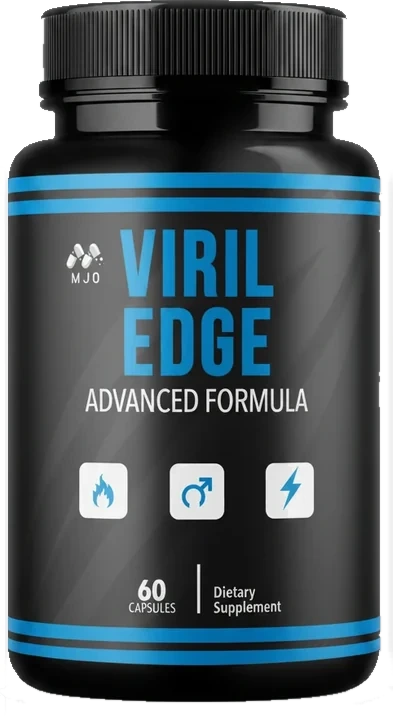
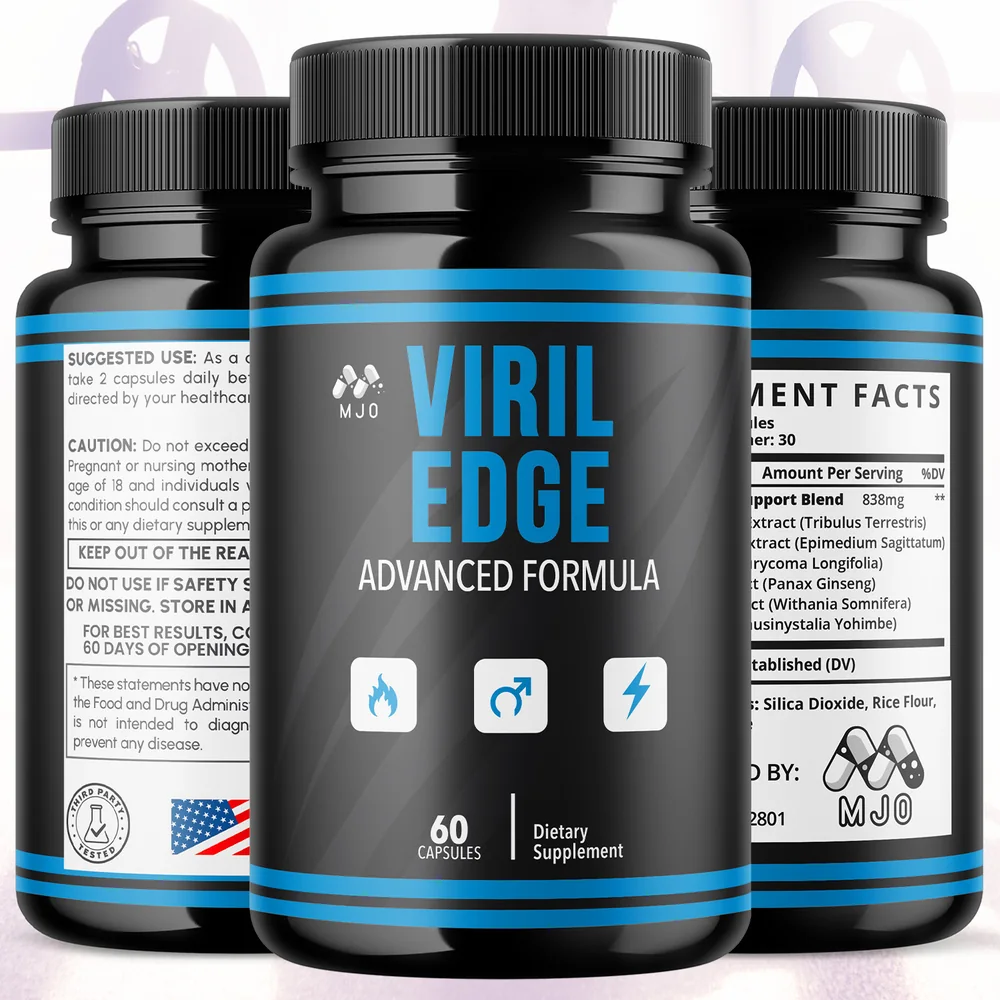
The one thing that decides whether a natural booster works is finishing the window. Viril Edge is sold in multi-month packs for exactly that reason — see the current options and the 60-day guarantee at the official store.
See Multi-Month Packs and GuaranteeAd · you will be taken to the manufacturer's checkout
The two variables that decide your timeline
Everything above assumes you are doing two things right, and they matter more than which specific bottle you chose. The first is consistency. Missing doses is the fastest way to stall progress, because you never build the steady tissue levels the ingredients rely on. A booster taken four days out of seven is not a slower version of the protocol; it is a different, weaker protocol. Tie it to an existing daily habit — breakfast, brushing your teeth — so you are not relying on memory.
The second is dosing timing and conditions. Take it as the label directs, usually with food to improve tolerance and absorption of fat-soluble components. If a formula includes ashwagandha for sleep and stress, taking part of the dose in the evening can suit some people; the specifics depend on the product, so follow its instructions rather than improvising. If you want to understand why the ashwagandha portion in particular rewards patience, our breakdown of ashwagandha's stress-and-testosterone dosing explains the eight-week-plus curve behind it.
Three objections worth answering honestly
"It's been a week and I feel nothing." That is expected, not a red flag. A week is roughly one-eighth of the meaningful window. If you are sleeping a little better, the mechanism is already engaging even if the headline benefits are weeks away. Judge at twelve weeks, not at seven days.
"Should I be cycling it on and off?" Cycling is a concept borrowed from hormonal drugs, and it does not map neatly onto food-derived ingredients like zinc, ashwagandha and standardised botanicals. There is no strong evidence you need to cycle these. Most people take them consistently and simply reassess every few months; some take periodic breaks to check whether they still notice a difference, which is a reasonable self-experiment. Neither approach beats the fundamental of taking the studied dose daily for long enough.
"Why not just buy something that works instantly?" Because "instant" in this category is a warning sign. Single-serving products promising a same-day, drug-like effect have repeatedly been found to contain undeclared pharmaceutical ingredients, which is a genuine safety risk rather than a shortcut. Real botanicals build up; anything that hits like a switch is behaving like a drug, and you should ask what is actually in it.
When it is not the supplement
Sometimes the honest answer to "why isn't this working?" is that the problem was never one a supplement could fix. Persistent, marked fatigue, a noticeable and lasting drop in libido, low mood, or difficulty building or holding muscle can have medical causes — cardiovascular, metabolic, hormonal or medication-related — that no capsule addresses. If that sounds like you, it is worth reading up on The Best Male Enhancement Pills on the Market: A 2026 Formula-Type Map and taking the list to a clinician. A supplement supports everyday vitality; it does not diagnose, treat or cure a medical condition, and a proper evaluation is the responsible next step when symptoms are real and persistent.
The honest bottom line
A natural testosterone booster works on a slope, and the slope is roughly this: sleep and energy first, libido and performance across weeks four to eight, and a measurable lifestyle-driven change by weeks eight to twelve — all of it dependent on taking the dose every single day and doing the basics alongside it. Set that expectation, buy enough to finish the window, and you will get a fair, honest read on whether a product earns its place. Anything promising more, faster, is selling you a timeline that biology does not support.
Frequently asked questions
How long does a testosterone booster take to work?
Plan on eight to twelve weeks before you judge a natural testosterone booster fairly. Energy and sleep often shift first, within the opening couple of weeks. Libido and gym performance more commonly move between weeks four and eight. A measurable, lifestyle-driven change in testosterone usually needs a full eight to twelve weeks of consistent use, because botanicals and minerals work gradually rather than overnight.
What should I feel in the first two weeks?
Modest, mostly quality-of-life changes rather than dramatic ones. The earliest and most reliable shifts are better sleep, a slightly calmer stress response and steadier daytime energy. You should not expect a surge in libido or strength this early, and you should be suspicious of any product that promises one, because that is not how botanicals and minerals behave. Treat the first two weeks as the foundation, not the payoff.
Why is my booster not working yet?
The usual reasons are that not enough time has passed, that doses were missed, or that expectations were set too high. Consistency is the single biggest variable: skipping days resets your progress. It may also be underdosed or hidden in a proprietary blend, your sleep and training may be undercutting it, or your levels were never low to begin with. Give it a full twelve weeks of daily use before concluding it does nothing.
Should I cycle a testosterone booster?
For natural, food-derived ingredients like zinc, ashwagandha and standardised botanicals, there is no strong evidence that cycling is necessary the way it is with hormonal drugs. Most people simply take them consistently and reassess every few months. Some prefer periodic breaks to check whether they still feel a difference, which is reasonable. What matters more than any cycling schedule is taking the studied dose daily for long enough to judge it.
Medical note: this article sets expectations, it is not medical advice. Persistent fatigue, low libido or symptoms of low testosterone can have medical causes worth investigating. Speak to a healthcare professional before starting any supplement, especially if you take regular medication.
Scientific references
- NIH NCCIH — Dietary and Herbal Supplements
- NIH ODS — Zinc: Fact Sheet for Health Professionals
- NIH NCCIH — Ashwagandha: what the evidence shows
- Harvard Health Publishing — Men's Health topic library
- PubMed — Wankhede et al. (2015), 8-week randomised controlled trial of Withania somnifera on strength, recovery and testosterone
Related reading
- Viril Edge reviews: does it work? — what buyers report and what to weigh.
- How to increase testosterone naturally — the diet, sleep and training foundation.
- Best Testosterone Booster for Men in 2026 — when to see a clinician instead.
- Ashwagandha for testosterone: dose and evidence — why the ashwagandha portion rewards patience.
Buy enough to finish the window
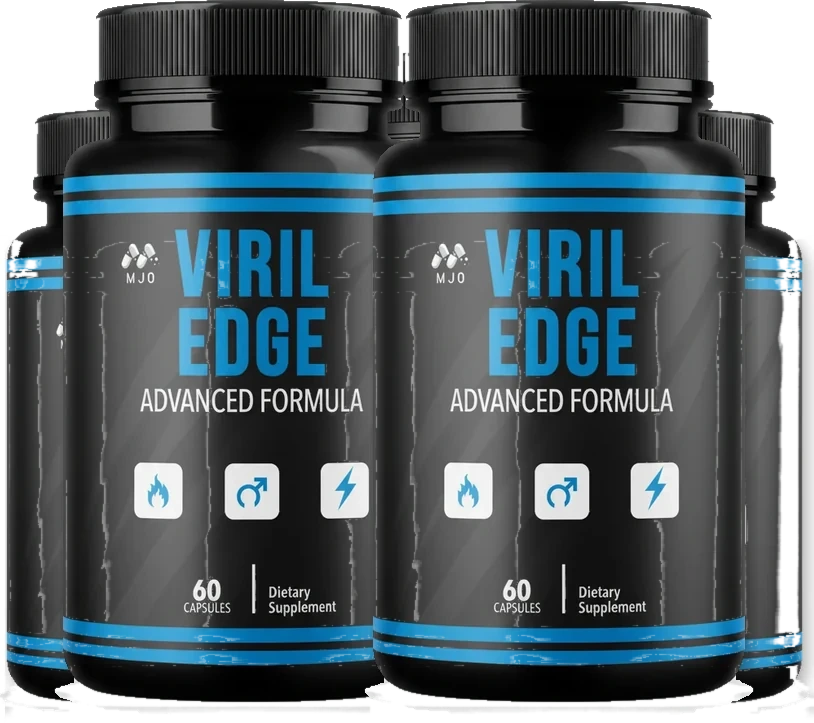
The most common reason a booster "doesn't work" is stopping at week three. Viril Edge's larger packs cover the full eight-to-twelve-week window at a lower per-bottle cost, and the official store lists current pricing and the 60-day money-back guarantee. Our full breakdown of Viril Edge covers what is inside first.
Check Packs, Price and GuaranteeAd · sold online only, direct from the manufacturer