How to Naturally Increase Testosterone: A Realistic 12-Week Playbook
Quick Answer: How Do You Naturally Increase Testosterone?
To naturally increase testosterone, pull the three levers that actually move it: lift heavy compound movements like squats and deadlifts, sleep a consistent 7 to 9 hours, and shed excess body fat. These change your internal environment over 8 to 12 weeks. A daily supplement and a clean diet are the support layer, not the foundation.
- Biggest quick win: fix sleep — most testosterone is made overnight.
- Biggest slow win: heavy strength training plus losing 10% body fat.
- Support layer: zinc, vitamin D and a sensible daily formula, not a magic pill.
If you want to naturally increase testosterone, the single most useful thing to accept up front is that hormones respond to how you live, not to a single heroic purchase. Testosterone is a signal your body produces in response to strength, recovery and metabolic health. Change those inputs and the signal follows. Buy a pill without changing them and you have bought a placebo with packaging. This playbook lays out the levers in order of how much they actually matter, gives you honest timescales, and is upfront about the one place a supplement genuinely earns its keep.
The good news is that the levers are not exotic. They are the same unglamorous habits that improve nearly every marker of male health, which is exactly why they work. The frustrating news is that they take weeks, not hours. Real change in your numbers shows up over roughly 8 to 12 weeks of consistent effort, so the men who win here are the ones who treat it as a season rather than a weekend.
Lever one: lift heavy, and lift the movements that matter
Resistance training is the most direct behavioural lever you have. Not any resistance training, though — the effect scales with how much muscle you recruit and how much load you move. Heavy compound lifts that load the biggest muscle groups, above all the squat and the deadlift, produce the strongest acute hormonal response. Studies of trained men doing multi-joint barbell work at challenging loads show acute testosterone rising roughly 15 to 25 percent immediately after the session.
Two honest caveats keep this in perspective. First, that spike is acute — it climbs during and just after training and settles back within an hour or two. The lasting benefit is not the single spike but the accumulated effect of training consistently, building muscle, and improving insulin sensitivity, all of which support a healthier baseline over months. Second, isolation work and endless machine circuits do not produce the same stimulus. Curls and calf raises have their place, but they are not the movements driving the hormonal response.
The practical prescription is simple. Train three or four days a week. Anchor each session around one big compound lift — squat, deadlift, bench press or overhead press — taken to genuinely challenging loads in the 5 to 10 rep range. Add accessory work after. Progress the load over time. That progression is the point: a body that keeps being asked to move heavier things has a reason to maintain a robust hormonal environment. A body that does the same easy circuit for a year does not.

Lever two: sleep is where testosterone is actually made
If training is the stimulus, sleep is the factory. The majority of a man's daily testosterone is produced during sleep, tied to the deeper stages and to your overnight rhythm. This is not a soft wellness point — it is measurable. Controlled research has shown that restricting healthy young men to around five hours of sleep a night lowered their daytime testosterone by a meaningful margin within a single week. One bad week of sleep can undo a lot of good work in the gym.
The target is a consistent 7 to 9 hours. Consistency matters as much as duration, because your hormonal rhythm is anchored to regular timing. Going to bed and waking at wildly different hours scrambles the overnight production window even if the total hours look fine on paper. If you improve only one thing after reading this, make it sleep: it is the fastest lever to move, it costs nothing, and men frequently report better energy and drive within a week or two of protecting it properly.
Practical wins that reliably help: a fixed wake time seven days a week, a dark and cool room, cutting screens and bright light in the last hour, and keeping alcohol modest — alcohol fragments the deep sleep where the overnight production happens. If poor sleep is paired with other creeping changes such as fatigue that rest does not fix, it is worth reading our guide to the The Best Male Enhancement Pills on the Market: A 2026 Formula-Type Map so you can tell an ordinary rough patch from something worth checking.
Lever three: body fat quietly drains testosterone
Excess body fat is not hormonally neutral. Fat tissue contains an enzyme, aromatase, that converts testosterone into oestrogen, so carrying more of it means a steady drain on your available testosterone. It is also tightly linked to insulin resistance, which independently suppresses hormone production. This is why body composition sits alongside training and sleep as a genuine lever rather than a vanity metric.
The numbers are encouraging for men who have weight to lose. Research in overweight men suggests that losing around 10 percent of body weight can add roughly 60 to 90 ng/dL to total testosterone — a real, measurable shift from fat loss alone. The important honesty here is that the effect is largest in men who are carrying the most excess. If you are already lean, cutting further will not keep raising testosterone and can actually work against you if you push into an aggressive deficit that wrecks recovery and sleep.
So the goal is not to get as lean as possible; it is to move out of the excess-fat range and stay there. A moderate calorie deficit, enough protein to hold onto muscle, and the strength training from lever one is the combination that loses fat while protecting the muscle that supports your baseline. Crash dieting does the opposite: it strips muscle and stresses the system, and stress hormones and testosterone tend to move in opposite directions.
Once the foundation is in place, layer support on top
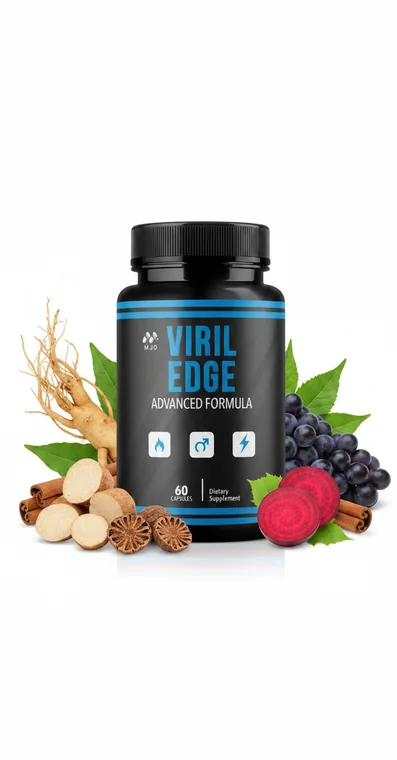
Training, sleep and body fat do the heavy lifting. Viril Edge is built to sit on top of that work as a daily male-health support layer — tribulus, horny goat weed, longjack, panax ginseng, ashwagandha and yohimbe in one two-capsule serving. The official store publishes the full panel, the pack options and the current price.
See the Formula and Current PriceAd · you will be taken to the manufacturer's checkout
The diet layer: feed the machinery, do not chase magic foods
No single food raises testosterone, and any article promising a "T-boosting breakfast" is selling clicks. What diet does is provide the raw materials and avoid the states that suppress production. Get enough total energy — chronic under-eating lowers testosterone. Get enough protein to build the muscle that lever one is stimulating. And do not fear dietary fat: cholesterol and dietary fat are the literal building blocks of steroid hormones, and very low-fat diets have been associated with lower testosterone in some studies.
Three micronutrients deserve specific attention because deficiencies are common and each has a documented role in normal hormone metabolism: zinc, magnesium and vitamin D. Correcting a genuine shortfall in any of them can help; loading up once you are already replete does nothing extra and, in the case of high-dose zinc, can cause harm by blocking copper absorption. This is the exact niche where a supplement makes sense — as insurance against a gap, not as a lever you can crank.
Where a supplement honestly fits
Here is the part most sales pages get wrong. A supplement is the last 10 percent, not the first 90. If your sleep is broken, your training is soft and you are carrying excess fat, no capsule will rescue your testosterone, and the reviews complaining that "it did nothing" almost always belong to men who skipped the foundation. Put the foundation in place and a sensible formula can play a supporting role: covering nutrient gaps and supplying botanicals such as tongkat ali that have small human trials behind them for fatigue and wellbeing.
The evidence for the botanical side is genuinely mixed, and we lay it out ingredient by ingredient in our review of what the research on tongkat ali and zinc for male vitality actually shows rather than overselling it here. The short version: tongkat ali has the most promising data, zinc and vitamin D matter mainly when correcting a deficiency, and tribulus — despite decades of marketing — generally does not raise testosterone in controlled trials. If you are weighing products, our comparison of the best testosterone boosters for men in 2026 shows how to read a label instead of a headline.
Common myths worth clearing before you start
Myth: you can spike testosterone permanently in a few days. You cannot. The acute rise from a hard workout is temporary; the durable change from better sleep, training and body composition takes 8 to 12 weeks to show in your numbers. Anyone promising a large, fast, lasting jump is describing a stimulant sensation, not a hormonal shift.
Myth: natural means guaranteed and risk-free. Botanical does not mean inert. Several popular ingredients can interact with blood-pressure medicines, nitrates or anticoagulants, so "natural" is a reason to check with a clinician if you take medication, not a reason to skip that step.
Myth: if my testosterone is low, lifestyle alone will fix it. Sometimes, for milder dips. But clinically low testosterone — typically below 300 ng/dL with symptoms — is a medical matter that needs a blood test and a doctor, not a supplement. Lifestyle helps many men in the ordinary, age-related, milder range; it is not a substitute for evaluation when the numbers are genuinely low.
The 12-week plan, on one page
| Lever | What to do | Why it works | When you notice |
|---|---|---|---|
| Heavy lifting | 3–4 sessions/week around squat, deadlift, press | Acute T up 15–25%; builds muscle and insulin sensitivity | Strength in weeks; baseline over months |
| Sleep | Consistent 7–9 hours, fixed wake time | Most testosterone is produced overnight | Energy and drive in 1–2 weeks |
| Body fat | Lose excess fat toward a healthy range | Less aromatase drain; better insulin control | ~60–90 ng/dL per 10% weight lost |
| Diet | Enough calories, protein and dietary fat; fix zinc/D gaps | Supplies hormone building blocks | Supports the other three |
| Supplement | Sensible daily formula as insurance | Fills nutrient gaps; botanical support | 8–12 weeks, on a solid base |
Run all five for a full 8 to 12 weeks before you judge the result, and change one thing at a time so you know what worked. The men who see the biggest shift are almost always the ones who started with the most room to improve — poor sleep, no strength training, excess fat — because they had the most drain to remove. If that describes you, this is genuinely good news: you have the most to gain.
Related reading
- Ashwagandha for Testosterone: Dose, Evidence and How It Actually Works
- Fenugreek benefits for male testosterone: what the trials really found
- How to choose the best testosterone booster for men in 2026
- Tongkat ali and zinc for male vitality: the evidence, ingredient by ingredient
Frequently asked questions
What is the fastest way to raise testosterone naturally?
There is no overnight switch, but the fastest meaningful lever is fixing sleep. Getting a consistent 7 to 9 hours restores the overnight window when most of your daily testosterone is produced, and men often notice better energy and drive within a week or two. Strength training and losing excess body fat build on that over the following months. Anyone promising a large jump in days is selling a sensation, not a hormone change.
Does sleep really affect testosterone levels?
Yes, more than almost any other single factor you control. Most of a man's daily testosterone is produced during sleep, and studies show that cutting sleep to around five hours a night can lower daytime testosterone noticeably within a week. Prioritising a regular 7 to 9 hours is one of the most reliable ways to protect your natural production, and it costs nothing.
Can losing weight increase testosterone?
For men carrying excess body fat, yes. Fat tissue converts testosterone into oestrogen, so reducing it eases that drain. Research suggests losing around 10 percent of body weight can add roughly 60 to 90 ng/dL to total testosterone in men who were overweight. The effect is largest in those who have the most to lose and is far less dramatic in already-lean men.
Do I need a supplement to boost testosterone naturally?
No. Training, sleep, body composition and diet do the heavy lifting, and no capsule substitutes for them. A well-formulated supplement is a support layer on top of those habits, most useful for filling nutrient gaps such as zinc or vitamin D. It is an add-on to a solid foundation, never a replacement for it, and clinically low testosterone needs a doctor rather than a supplement.
Medical note: this article is general information, not medical advice. Persistent fatigue, low libido or other symptoms of low testosterone deserve a blood test and a conversation with a healthcare professional. Speak to a clinician before starting any supplement, especially if you take medication.
Scientific references
- JAMA — Effect of 1 Week of Sleep Restriction on Testosterone Levels in Young Healthy Men
- NIH Office of Dietary Supplements — Zinc: Fact Sheet for Health Professionals
- NIH Office of Dietary Supplements — Vitamin D: Fact Sheet for Health Professionals
- NIH NCCIH — Herbs at a Glance: evidence summaries for botanical supplements
- PubMed — Herrera-Quintana et al. (2026), weight-loss and lifestyle intervention and testosterone in men with obesity (INTERAPNEA randomised trial)
Add the support layer to your plan
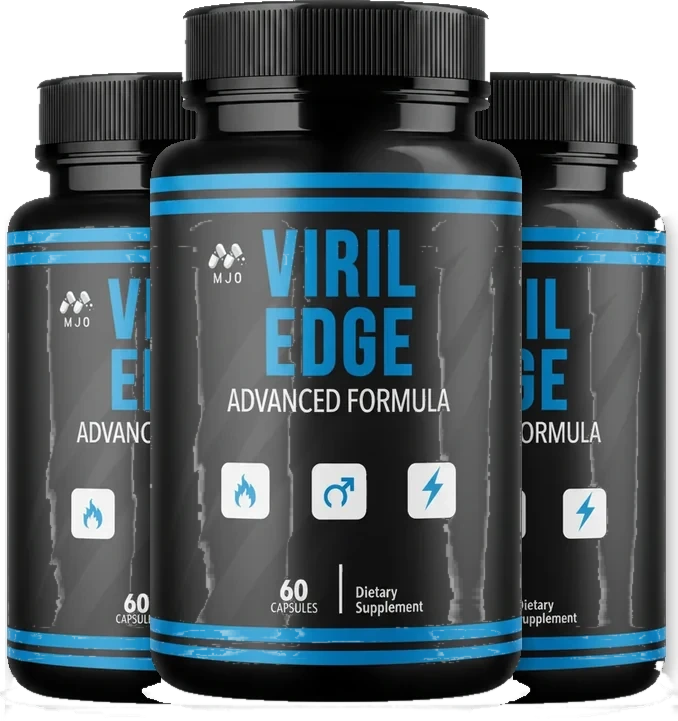
Have the training, sleep and body-fat basics handled? Our full ingredient and label breakdown of Viril Edge shows exactly what is in the daily formula and where the evidence for each component stops. Current pack options and the price are listed at the official store.
Check Packs and PriceAd · sold direct by the manufacturer, not on retail shelves