Fenugreek Benefits for Male Testosterone: What the Evidence Actually Shows
Quick Answer: What Are Fenugreek's Benefits for Male Testosterone?
Fenugreek is a culinary seed with real, if modest, evidence behind it for men. In several controlled trials, a standardised seed extract of around 500 to 600mg a day for eight to twelve weeks nudged free testosterone, training strength and especially libido upward versus placebo. The effect is supportive rather than dramatic, and it is not a testosterone treatment.
- Strongest signal: self-rated libido, sexual desire and satisfaction.
- Moderate signal: free testosterone and gym strength in some trials.
- The catch: small studies, varied extracts, and no disease treatment.

Walk down the testosterone-booster aisle, physical or virtual, and one plant name keeps reappearing on the label: fenugreek. The fenugreek testosterone claim has become one of the most heavily marketed promises in men's supplements, printed in bold beside impressive-looking percentages. Some of that enthusiasm is earned, and a surprising amount of it is not. Fenugreek (Trigonella foenum-graecum) is a legume whose amber seeds have flavoured curries and breads for centuries, and over the last fifteen years it has also become one of the more studied botanicals for male vitality. So what does the research actually say, once you strip the marketing away?
What fenugreek is, and why men take it for testosterone
Fenugreek belongs to the same botanical family as peas, chickpeas and lentils. The part that matters for supplements is the seed, and specifically a group of compounds inside it called furostanol saponins — sometimes concentrated and standardised into branded extracts you will see named on labels. The theory behind the fenugreek testosterone story is that these saponins may influence the enzymes that convert testosterone into other hormones, and possibly nudge the body's own production, leaving slightly more active testosterone available. That is the mechanism the marketing leans on. Whether it plays out meaningfully in a real man's bloodstream is the question the trials were built to answer, and the answer is more nuanced than any front-of-bottle headline suggests.
It helps to be clear about scale from the outset. Even in the most favourable studies, fenugreek is a gentle influence, not a hormonal switch. Nobody is taking a seed extract and producing the kind of testosterone change that a clinical therapy produces. What fenugreek offers, at best, is a modest, supportive shift — the sort of thing that stacks with the far larger levers of sleep, resistance training and body composition rather than replacing them.
Does fenugreek boost testosterone? What the human trials found
Here is where the honesty has to start. The fenugreek testosterone evidence is genuinely mixed, and anyone telling you it is settled is selling something. Several randomised, placebo-controlled trials of standardised seed extract have reported statistically significant improvements. In some, free testosterone rose while total testosterone held roughly steady, which is arguably the more interesting result — free testosterone is the fraction that is biologically active. In others, men reported better sexual function and mood while their measured hormone numbers barely moved at all.
Against those positive studies sit trials that found no meaningful hormonal change whatsoever. That inconsistency is not a sign of fraud; it is what a real, small effect looks like when it is studied in small groups of people using different extracts, different doses and different measurement timings. The signal is real enough to take seriously and small enough to keep in perspective. If you go in expecting a modest, occasional lift rather than a transformation, the data supports you. If you go in expecting the numbers on the box, it will disappoint you.
It is also worth naming an uncomfortable pattern: a good share of the flattering trials were funded by the companies that make the branded extract being tested. That does not automatically invalidate them — industry funds a lot of legitimate research — but it is a reason to weight independent replication more heavily and to treat a single glossy study as a starting point, not a verdict. For context on how fenugreek sits beside other popular options, our review of what the research actually shows for tongkat ali and zinc walks through the same evidence-first lens applied to the two other headline ingredients in this category.
Fenugreek and libido: the most consistent finding
If the testosterone picture is mixed, the libido picture is noticeably clearer. Across multiple trials, men taking standardised fenugreek extract reported improved sexual desire, arousal and overall satisfaction compared with placebo — and, tellingly, these improvements sometimes appeared even when total testosterone had not shifted much. That disconnect is a useful clue. It suggests fenugreek's most reliable benefit for men may act through pathways that are only loosely tied to a single hormone reading, which is exactly why chasing the testosterone number alone can miss the point.
Two honest caveats belong here. First, libido is self-reported, and self-reported outcomes are more susceptible to expectation than a blood test is — though placebo controls are designed precisely to account for that, and the effect survives them in several studies. Second, and this matters, improved desire is not the same thing as treating erectile dysfunction. Desire is the wish; erectile function is the plumbing. Fenugreek addresses the former in some men and does nothing to treat the latter, which is a medical issue with medical causes worth investigating properly.
The right fenugreek dose: what the studies actually used
This is where a lot of shoppers get quietly short-changed. The positive fenugreek studies did not use whole seeds sprinkled on food, and they did not use vague "fenugreek powder". They used a concentrated, standardised seed extract, almost always in the range of 500 to 600mg per day, taken once daily with food, for eight to twelve weeks before any result was judged. Two details inside that sentence do the heavy lifting.
The first is standardisation. A standardised extract guarantees a defined percentage of the active saponins; an unstandardised powder guarantees nothing but the plant. A product can legally print "fenugreek" in large type while delivering a weak, unmeasured amount that looks nothing like the material used in the trials. The plant name on the front is not the product; the standardisation and milligram figure on the Supplement Facts panel are. The second detail is patience. Fenugreek is not a same-day stimulant. The trials ran for two to three months because that is roughly how long the effect, where it exists, takes to accumulate. Judging it after a week is judging it before it has had a chance to do anything.
What the evidence supports, at a glance
| Outcome | What the fenugreek research supports |
|---|---|
| Libido & sexual satisfaction | Most consistent benefit; improved in multiple placebo-controlled trials |
| Free testosterone | Modest increases in several trials; not universal |
| Total testosterone | Mixed — some rise, several show no change |
| Strength / training output | Small improvements reported alongside resistance training |
| Blood sugar | May lower it — a caution, not a vitality claim |
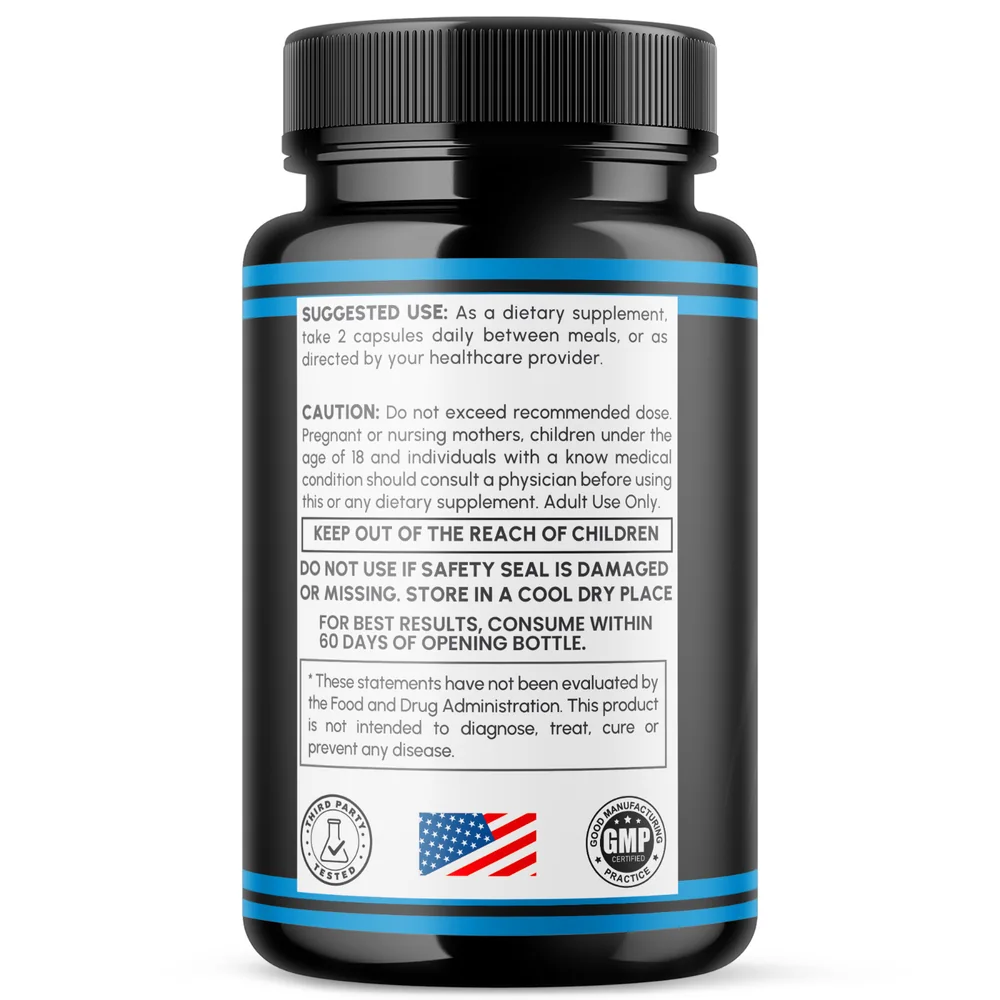
See how Viril Edge doses its botanicals
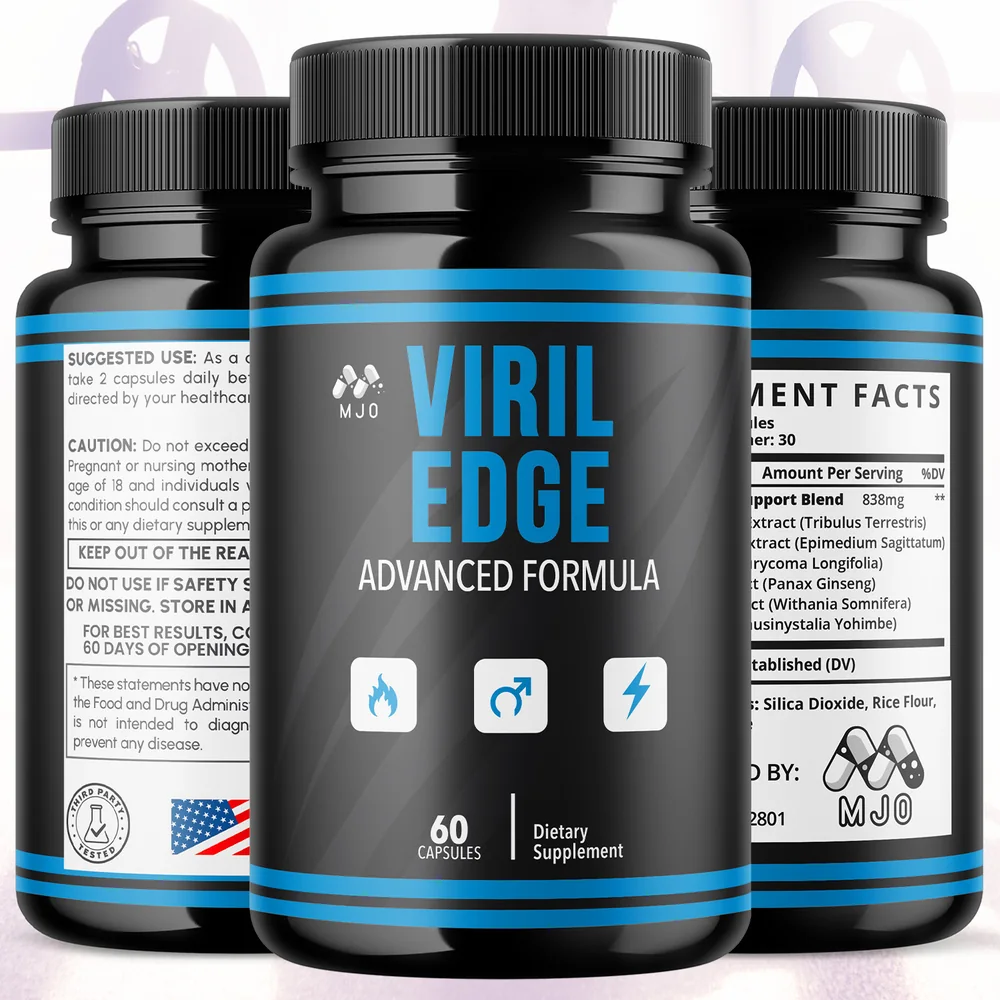
Fenugreek is only as useful as the amount and standardisation behind it. Viril Edge names every botanical in its blend on one page, alongside longjack, panax ginseng and ashwagandha — so you can see what is in it, and where the label stops short of a per-ingredient amount.
See the Official Viril Edge StoreAd · you will be taken to the manufacturer's checkout
Why fenugreek is usually stacked with zinc and vitamin D
You will rarely find fenugreek sold alone in a male-vitality formula, and there is sound logic to that. Zinc and vitamin D are the two nutrients with the clearest, most established links to normal testosterone metabolism — not because they are exotic, but because a genuine deficiency in either can drag hormone levels down, and correcting that shortfall lets the body work as it should. They address a different problem from fenugreek. Where fenugreek attempts a modest nudge upward in men who are already replete, zinc and vitamin D remove a possible brake in men who are running short. Combining them is an attempt to cover both bases at once.
The important honesty here is that the nutrient logic only pays off if you were actually low to begin with. Piling more zinc onto an already-adequate intake does not push testosterone higher, and very high long-term zinc intakes can interfere with copper absorption. The stack is insurance against gaps plus a botanical nudge — a reasonable design, but not a guarantee. If you would rather understand the larger, non-supplement levers first, our guide to the everyday habits that raise testosterone naturally covers the sleep, training and body-composition changes that outweigh any capsule, and our overview of ashwagandha for testosterone, with the dose and evidence looks at the adaptogen most often paired with fenugreek in these formulas.
Three fenugreek myths worth clearing up
The category runs on a few persistent overstatements. Naming them plainly is more useful than repeating them.
Myth one: fenugreek "skyrockets" testosterone. It does not, and no reputable trial claims it does. The measured changes, where they exist, are modest and inconsistent. A supplement that genuinely produced a large, reliable hormonal jump would be behaving like a drug, and it would be regulated like one. Fenugreek is a gentle contributor, and the honest sellers describe it that way.
Myth two: the percentage on the box is the effect you get. Those eye-catching figures usually come from one specific study, one specific extract and one specific starting population — often men who began with lower levels, in whom any change looks proportionally larger. Your body, your baseline and possibly a weaker extract are a different equation entirely. Treat headline percentages as advertising, not as a personal forecast.
Myth three: because it is natural, it is automatically safe for everyone. Botanical does not mean inert. Fenugreek can lower blood sugar and may affect bleeding, which turns it into a genuine consideration for anyone on diabetes or anticoagulant medication, or anyone heading for surgery. Natural and harmless are not synonyms, and the safest move is to check your own situation rather than assume the plant gets a pass.
Side effects and who should be cautious
For most healthy men, fenugreek is well tolerated, and that is a fair thing to say plainly. The complaints that do come up are usually minor: mild digestive upset, bloating or gas, especially at higher doses, and a curious but harmless quirk in which sweat and urine take on a maple-syrup smell. That odour is not a warning sign; it is just the seed's aroma compounds passing through.
The cautions that matter are more specific. Fenugreek can lower blood glucose, which is helpful in some contexts but a real interaction risk for anyone taking diabetes medication — the combination can push blood sugar too low. It may also have a mild effect on bleeding, so it is sensible to stop it a couple of weeks before any planned surgery. People allergic to other legumes — chickpeas, peanuts, soy — can react to fenugreek too, because they are botanical cousins. And because it has traditional associations with hormonal and uterine activity, it is not a supplement to experiment with during pregnancy. None of this makes fenugreek dangerous for the average user; it makes it a substance worth clearing with a clinician if any of those situations apply to you.
Medical note: this article is general information, not medical advice. Fenugreek can lower blood sugar and may affect bleeding — speak to a healthcare professional before starting it, especially if you take diabetes or blood-thinning medication, are due for surgery, or manage a health condition.
Where fenugreek fits — and where it does not
Put together, the fenugreek testosterone story is a fair example of how this whole category should be read. There is a real ingredient with real, if modest, human evidence — strongest for libido, mixed for hormone numbers — wrapped inside marketing that consistently overstates it. The sensible position is neither the hype nor the dismissal. Fenugreek can be a reasonable, well-tolerated part of a broader approach for a man who has already sorted his sleep, training and diet and wants a gentle, evidence-backed nudge. It is not a shortcut, not a treatment, and not a substitute for finding out why levels are low if they genuinely are.
That framing also explains why the finished formula matters more than any single ingredient. A blend that lists fenugreek at a properly standardised 500 to 600mg, alongside zinc and vitamin D at amounts that actually correct a shortfall, is a very different product from one that lists fourteen botanicals in a tiny proprietary blend where nothing reaches a studied dose. If you are weighing options across the market, our roundup of the best testosterone booster picks for men in 2026 applies exactly these dose-and-standardisation tests to real products.
Related reading
Frequently asked questions
Does fenugreek really boost testosterone?
The honest answer is sometimes, and modestly. Several randomised trials of standardised fenugreek seed extract, around 500 to 600mg a day for eight to twelve weeks, have reported small increases in free or total testosterone and better sexual function versus placebo, while a few found no hormonal change at all. It is a supportive nudge in some men, not a reliable lever, and it does not treat clinically low testosterone.
What is the right fenugreek dose for men?
Most positive studies used a standardised seed extract at roughly 500 to 600mg per day, taken once daily with food for eight to twelve weeks before judging the result. Whole culinary fenugreek and unstandardised powders are not the same as the concentrated extracts that were trialled, so the standardisation printed on the label matters as much as the milligram number.
Does fenugreek improve libido?
This is where the evidence is most consistent. Multiple trials report improved self-rated libido, sexual desire and satisfaction in men taking standardised fenugreek extract, sometimes even when total testosterone barely moved. The effect is real but individual, tends to build over several weeks, and is a change in desire rather than a treatment for erectile dysfunction, which is a medical issue.
Are there fenugreek side effects to watch for?
Fenugreek is generally well tolerated. The most common complaints are mild digestive upset and a distinctive maple-syrup smell to sweat or urine. It can lower blood sugar, so anyone on diabetes medication should speak to a doctor first, and people allergic to chickpeas, peanuts or other legumes may react to it. Stop it before planned surgery because of possible effects on bleeding.
Scientific references
- NIH NCCIH — Fenugreek: what the science says
- PubMed — Lee-Ødegård et al. (2024), double-blind randomised trial of a fenugreek (Trigonella foenum-graecum) extract on plasma and salivary testosterone
- NIH Office of Dietary Supplements — Zinc: Fact Sheet for Health Professionals
- NIH Office of Dietary Supplements — Vitamin D: Fact Sheet for Health Professionals
- Mayo Clinic — Fenugreek: uses, dosing and safety
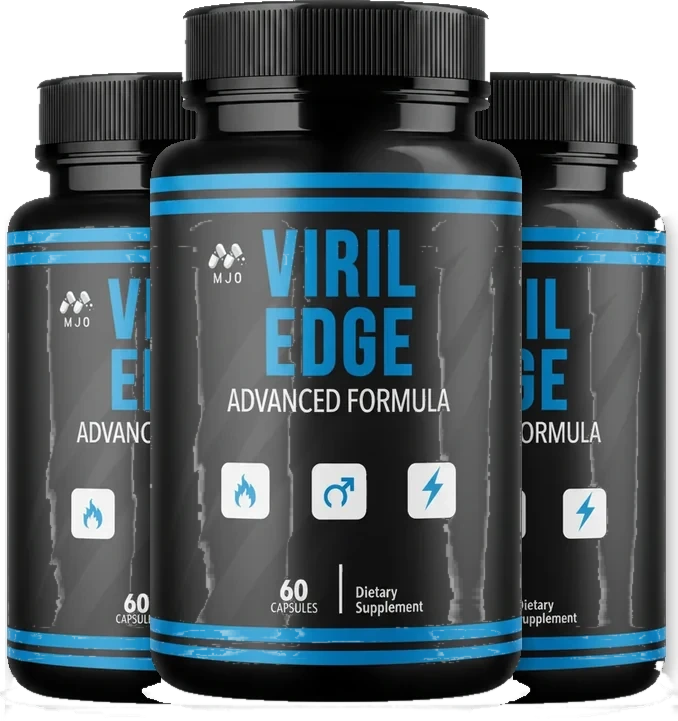
See how Viril Edge puts the stack together
Tongkat ali, horny goat weed, tribulus, panax ginseng, ashwagandha and yohimbe in one daily capsule — fenugreek is not in that blend, and every ingredient it does contain is laid out with its evidence. Our full Viril Edge ingredient and label breakdown shows what is inside, and the official store lists current pack options and price straight from the source.
Check Current Packs and PriceAd · you will be taken to the manufacturer's checkout