Horny Goat Weed (Epimedium) in Viril Edge: What the Research Measured
Quick Answer: What Does the Epimedium Research in Viril Edge Actually Show?
Viril Edge lists “Horny Goat Weed Extract (Epimedium Sagittatum)” as the second of six botanicals in its 838 mg proprietary blend, with no icariin standardization percentage printed anywhere on the label. Icariin is the flavonoid most researchers use to define and measure an Epimedium extract's strength, and without that number a buyer cannot tell whether this product's horny goat weed is a meaningfully active extract or a token inclusion. Separately, the published research itself is earlier-stage than the marketing reputation suggests: the bulk of icariin studies measuring erectile-tissue effects have been done in animal models and isolated cell systems, not in randomized human trials with a defined oral dose. That gap between what has been measured and what is marketed matters as much as the missing standardization number.
- What's printed: Horny Goat Weed Extract (Epimedium Sagittatum), second of six ingredients; no icariin % given.
- What most icariin research has measured: mechanisms and effects in rat and cell models, not human trials.
- What's missing: controlled human trials of a defined icariin dose on erectile function or libido.

What the Viril Edge label actually says about horny goat weed
The Viril Edge Supplement Facts panel lists a single “Proprietary Male Support Blend” totaling 838 mg per two-capsule serving (30 servings per 60-capsule bottle). Horny Goat Weed Extract, botanically identified as Epimedium Sagittatum, is printed second in the ingredient list, after Tribulus Terrestris Extract and before Longjack, Ginseng Root, Ashwagandha and Yohimbe extracts. As with every ingredient in this blend, only the combined 838 mg total is disclosed — there is no individual milligram figure for horny goat weed, and critically, no standardization percentage for icariin, the marker compound most commonly used in the scientific literature to characterize how “strong” an Epimedium extract is. Commercial Epimedium extracts on the broader supplement market are frequently sold standardized to a stated icariin percentage (5%, 10%, 20%, and so on); Viril Edge's label states none of this, so the icariin content of this specific product is simply unknown from the label alone.
This matters more for horny goat weed than it might for some other botanicals, because icariin is understood to be the primary bioactive component researchers study when they investigate Epimedium's mechanisms. A product could contain a whole-plant extract with meaningful icariin content, or a weakly processed extract with very little, and an ingredient list that says only “Epimedium Sagittatum” inside an undisclosed blend share cannot distinguish between the two.
What is Epimedium, and where does the “horny goat weed” reputation come from?
Epimedium is a genus of flowering plants used in traditional Chinese medicine for centuries, generally under the name yin yang huo. The common English name “horny goat weed” comes from a folk story about goats becoming more sexually active after grazing on the plant — a colorful origin story, not a scientific finding. Modern pharmacological interest in Epimedium centers on a class of compounds called prenylated flavonoids, of which icariin is the most-studied. Icariin and some of its metabolites have been investigated in laboratory settings for a range of proposed mechanisms, including phosphodiesterase type 5 (PDE5) inhibition — the same general class of mechanism used by prescription erectile-dysfunction medications — along with antioxidant, anti-inflammatory and bone-density-related effects studied in entirely separate contexts (Epimedium is also researched for osteoporosis, unrelated to sexual function).
A recent broad review, “An Overview of the Phytochemistry, Biological Activities and Therapeutic Potential of Epimedium spp.,” published in Plants in 2026 (PMID 42514482), surveys this full range of research and underscores how much of the pharmacological groundwork on Epimedium spans multiple therapeutic areas — bone health, immune modulation, neuroprotection and cardiovascular research among them — with sexual-function research forming only one strand within a much larger phytochemical research program, most of it preclinical.
What icariin research has actually measured
A 2026 review specifically focused on erectile function, “Molecular mechanisms of icariin in the treatment of erectile dysfunction,” published in Sexual Medicine Reviews (PMID 42476543), summarizes the mechanistic case for icariin's effect on erectile tissue. Reviews of this kind synthesize a body of underlying primary research that is overwhelmingly conducted in animal models rather than in human clinical trials. Two representative primary studies illustrate the pattern directly:
A 2025 study in Sexual Medicine (PMID 40161546) examined icariin's effect on penile cavernous tissue in type 1 diabetic rats, reporting that icariin inhibited hyperglycemia-induced cell death in that tissue and improved a measure of erectile function in the animal model. A companion 2025 study in The Journal of Sexual Medicine (PMID 39905744) looked at spontaneously hypertensive rats and found that icariin improved erectile function in that model by downregulating a specific signaling protein (GRK2) in penile cavernous tissue. Both are legitimate, PubMed-indexed, peer-reviewed studies — and both are exactly what they say they are: controlled experiments in rats with a specific induced condition (diabetes, hypertension), measuring tissue-level and biochemical outcomes, not a randomized trial of oral icariin supplementation in men.
This is the core distinction worth holding onto when reading marketing claims built on “clinically studied” icariin: a real, growing body of mechanistic and animal research exists, and it consistently points toward plausible biological activity relevant to erectile tissue. What that body of research has not yet firmly established is the translation step — a defined oral dose of a standardized icariin extract, given to men (healthy or with diagnosed erectile dysfunction), in a randomized placebo-controlled design, measuring a validated outcome like the IIEF questionnaire. Our search of PubMed for controlled human trials of Epimedium specifically for male sexual function returned essentially no matching randomized human trials — the human evidence base, as of this writing, has not caught up with the animal and mechanistic literature.
What has and hasn't been measured, at a glance
| Study type | What was measured | Applies directly to a human taking an oral capsule? |
|---|---|---|
| Phytochemistry / pharmacology reviews (e.g. PMID 42514482) | Chemical composition, known mechanisms across multiple health areas | Background only — not an outcome study |
| Mechanistic review of icariin and ED (PMID 42476543) | Synthesis of proposed cellular/molecular pathways | Summarizes preclinical evidence, not a trial result |
| Diabetic rat study (PMID 40161546) | Cell death and erectile function measures in rat penile tissue | No — animal model of a specific disease state |
| Hypertensive rat study (PMID 39905744) | Signaling protein (GRK2) and erectile function in rat penile tissue | No — animal model of a specific disease state |
| Randomized controlled human trial of a defined icariin dose | — | Not identified in our PubMed search |
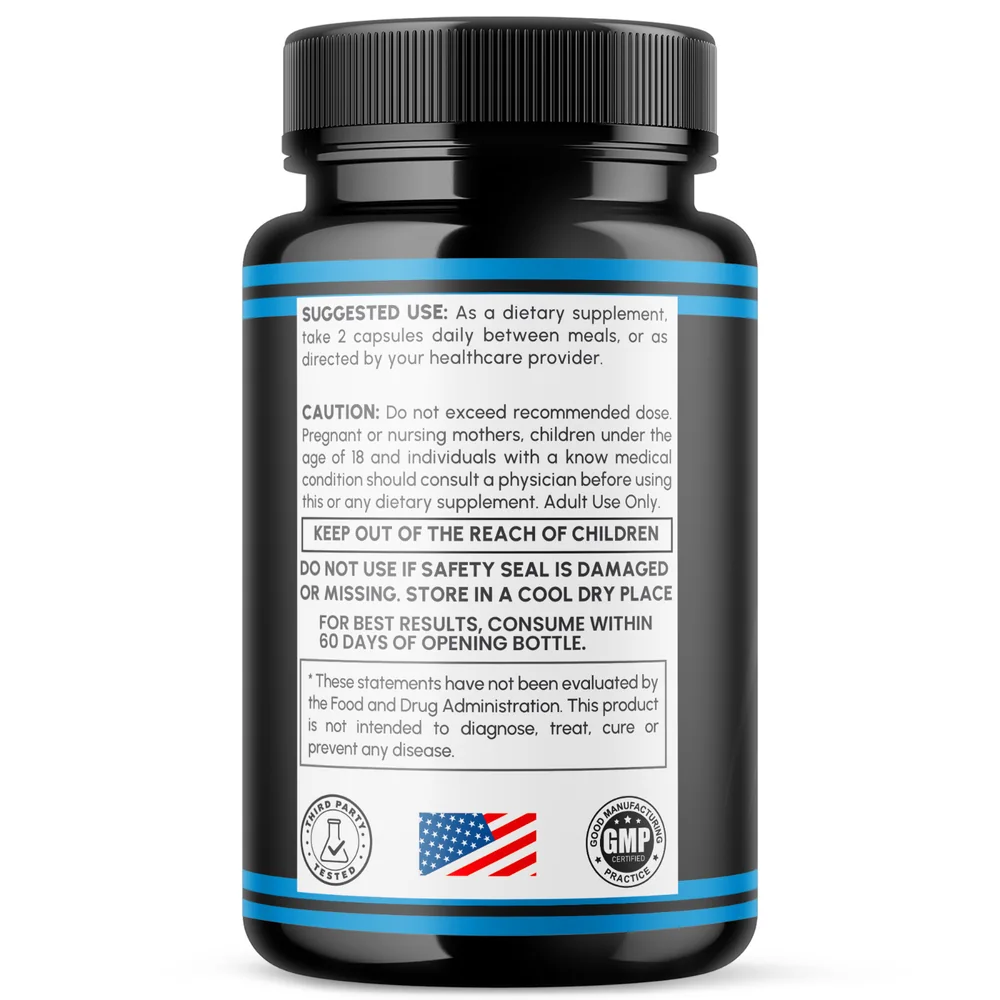
See the full label for yourself
Viril Edge names horny goat weed among six botanicals in its 838 mg blend, with no icariin percentage stated. Review the complete Supplement Facts panel before you decide.
Order Viril EdgeAd · you'll leave this site to complete your order
Why the missing standardization number is the crux of the issue
Even setting aside the human-trial gap, the standardization question stands on its own. In the broader supplement market, Epimedium extracts are commonly sold at stated icariin percentages, and researchers designing animal or cell studies typically use a purified or standardized icariin preparation at a known concentration, precisely so the dose delivered to the tissue is measurable and reproducible. A product label that says only “Horny Goat Weed Extract (Epimedium Sagittatum)” inside an undisclosed blend share tells a buyer nothing about where on that spectrum the product sits. It could be a well-standardized extract; it could be a low-icariin leaf preparation; the label simply does not say, and neither the amount nor the standardization can be verified from the packaging, the marketing images, or the independent third-party review that reproduces the same panel we cite in this article.
The 2023 Nutrients meta-analysis by Petre and colleagues on erectile-dysfunction supplements broadly (PMID 37686709), which we also reference in our companion article on tribulus dosing in this same blend, makes a directly applicable point: across the marketed products the authors scored, the large majority combined many active ingredients at doses too low, or too undisclosed, to be confidently matched against any minimal effective dose established in trials. Horny goat weed inside an 838 mg six-ingredient blend is a textbook example of the pattern that review describes.
How this fits with the rest of the Viril Edge blend
Horny goat weed shares its labeling problem with every other botanical in this formula. Our companion piece on tribulus terrestris dosing versus what trials actually show covers the ingredient listed just before it on the panel, where controlled human trials do exist but at doses that, taken alone, already exceed the entire 838 mg blend total. Our review of Panax ginseng evidence for male vitality covers a 2021 Cochrane systematic review of nine human trials, the most rigorous evidence available for any single ingredient in this blend, which still found only a trivial effect on erectile function. And our existing article on tongkat ali and zinc covers the longjack component. Set side by side, horny goat weed is arguably the ingredient in this specific formula with the largest gap between marketing reputation and the maturity of its human evidence base — not because the underlying biology is implausible, but because so little of the published research has yet been done in people rather than in rats or cell cultures.
Safety notes specific to Epimedium and icariin
Because controlled human dosing data is scarce, formal human safety data for isolated icariin or standardized Epimedium extracts is correspondingly limited compared with better-studied single ingredients like zinc. Epimedium has a long history of traditional use, which is a different kind of evidence than a modern safety trial, and traditional-use history does not establish safety at the concentrations found in modern standardized extracts, nor interactions with medications. Because icariin's proposed mechanism overlaps conceptually with PDE5-inhibitor drugs (the class used in prescription ED medication), anyone taking a prescription PDE5 inhibitor, nitrate medication, or blood-pressure medication should discuss any Epimedium-containing supplement with a physician before use, out of caution rather than confirmed evidence of a specific interaction. The Viril Edge label's printed caution applies here as everywhere in the formula: not for pregnant or nursing women, those under 18, or anyone with a known medical condition, without first consulting a physician.
Where the evidence stops
The honest summary of Epimedium and icariin research, as it stands in the PubMed-indexed literature reviewed for this article, is that a substantial and growing mechanistic case exists — built almost entirely on animal models of diabetes, hypertension and nerve injury, plus cell and tissue studies — while confirmatory randomized controlled trials of a defined oral icariin dose in men have not caught up. That gap is not evidence that the ingredient does nothing; it is evidence that the marketing language built around it (“clinically studied,” “proven”) runs ahead of what has actually been measured in people. Layered on top of that evidence gap, Viril Edge's own label does not disclose how much horny goat weed extract, or what icariin content, this specific product contains. Two separate uncertainties — the maturity of the underlying science, and the transparency of this specific label — both point toward the same conclusion: treat marketing claims about this ingredient with more skepticism than the traditional-medicine reputation might suggest.
Medical note: this article is general information, not medical advice. If you take a prescription PDE5 inhibitor, nitrate medication, or blood-pressure medication, speak with a healthcare professional before combining it with any Epimedium-containing supplement, including this product's yohimbe-containing blend.
Scientific references
- PubMed — “An Overview of the Phytochemistry, Biological Activities and Therapeutic Potential of Epimedium spp.” (2026), Plants (Basel)
- PubMed — “Molecular mechanisms of icariin in the treatment of erectile dysfunction” (2026), Sexual Medicine Reviews
- PubMed — “Icariin inhibits hyperglycemia-induced cell death in penile cavernous tissue and improves erectile function in type 1 diabetic rats” (2025), Sexual Medicine
- PubMed — “Icariin improves erectile function in spontaneously hypertensive rats by downregulating GRK2 in penile cavernous tissue” (2025), The Journal of Sexual Medicine
- PubMed — Petre et al. (2023), systematic review, meta-analysis and rational use of dietary supplements for erectile dysfunction, Nutrients
Related reading
- Tribulus terrestris in Viril Edge: dose vs. what trials actually show — the first-listed botanical in the same blend.
- Panax ginseng for male vitality: the evidence behind the ingredient in Viril Edge — a Cochrane review's verdict on ginseng.
- Testosterone booster side effects and who should avoid them — interactions worth checking first.
Frequently asked questions
What is icariin, and is it printed on the Viril Edge label?
Icariin is the flavonoid compound most researchers use to measure and standardize Epimedium extracts. It is not printed on the Viril Edge label. The bottle lists “Horny Goat Weed Extract (Epimedium Sagittatum)” as one of six ingredients in an 838 mg blend, with no standardization percentage or icariin content stated.
Has Epimedium been tested in human trials for erectile function?
Direct, controlled human trials of Epimedium or icariin alone for erectile function or libido are scarce. Most of the published research measuring erectile-tissue effects of icariin has been done in animal models (commonly rats with diabetes, hypertension or nerve injury) or in isolated cell and tissue systems, not in randomized trials of healthy or ED-diagnosed men taking a defined icariin dose.
What has icariin research actually measured?
Published studies have measured things like PDE5-inhibition-like activity in tissue and cell models, changes in specific signaling pathways (for example GRK2 or Nestin/NRF2/PRDX2) in the penile tissue of rats with induced hypertension, diabetes or nerve injury, and general phytochemical and pharmacological profiling of Epimedium species. These are mechanistic and animal-model findings, not confirmation that a defined oral icariin dose improves erectile function in men.
Does Viril Edge disclose how much icariin it contains?
No. Horny Goat Weed Extract is one of six botanicals inside Viril Edge's 838 mg proprietary blend. The label states the combined blend weight only, not the amount of horny goat weed extract and not any icariin percentage, so the product's actual icariin content is unknown.
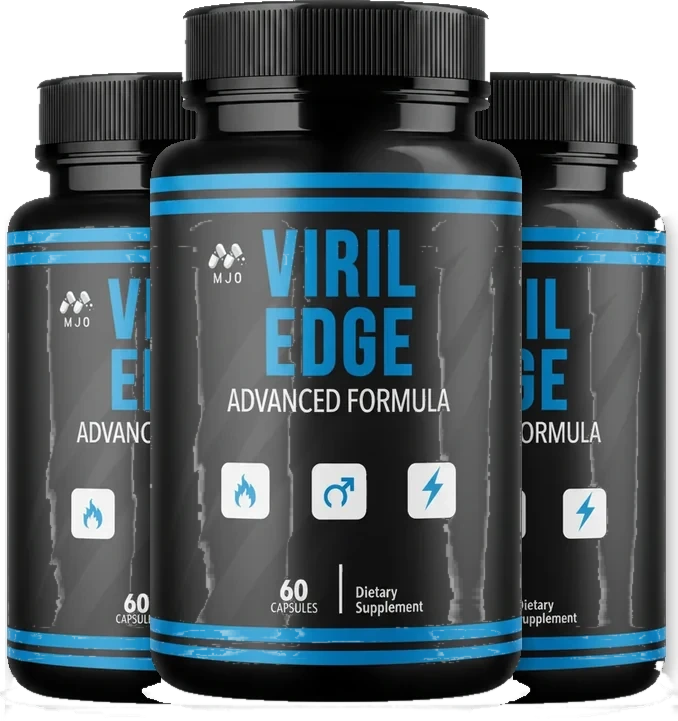
Check the full ingredient panel
Horny goat weed, tribulus, longjack, panax ginseng, ashwagandha and yohimbe in one 838 mg blend — see the complete label before you order.
Order Viril Edge